The youngest of the four girls
María Cruz González Barrido was born on 21 June 1950 in San Sebastián de Garabandal, a small mountain village in the municipality of Rionansa, Cantabria. The daughter of Escolástico González and Pilar Barrido, she grew up in a hardworking family in a rural community where daily life revolved around farming, animals, school and church.
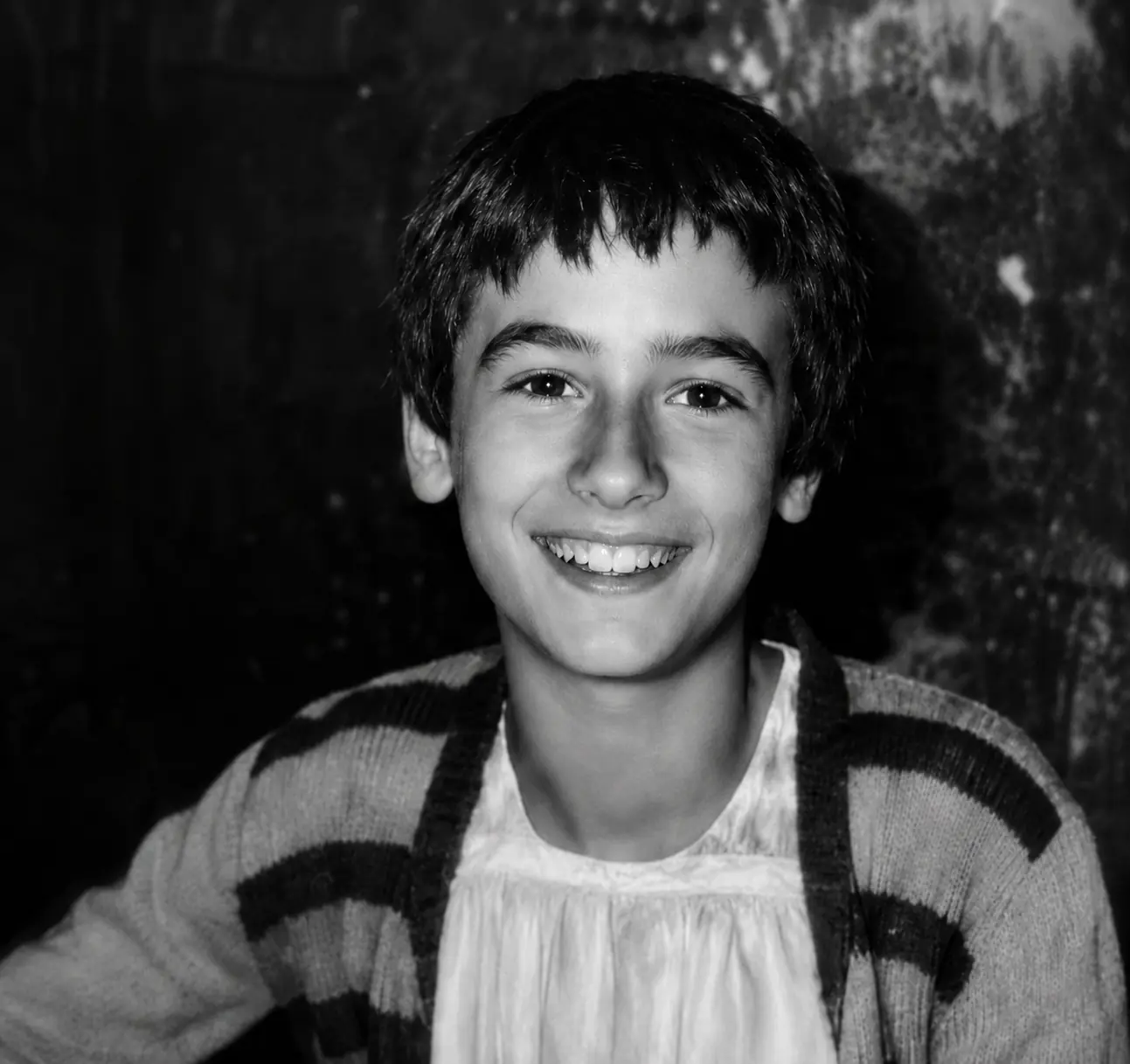
Although she was about a year younger than Conchita González, Jacinta González and Mari Loli Mazón, her height and appearance made her look much the same age. When the events of 1961 began, Mari Cruz was still eleven.
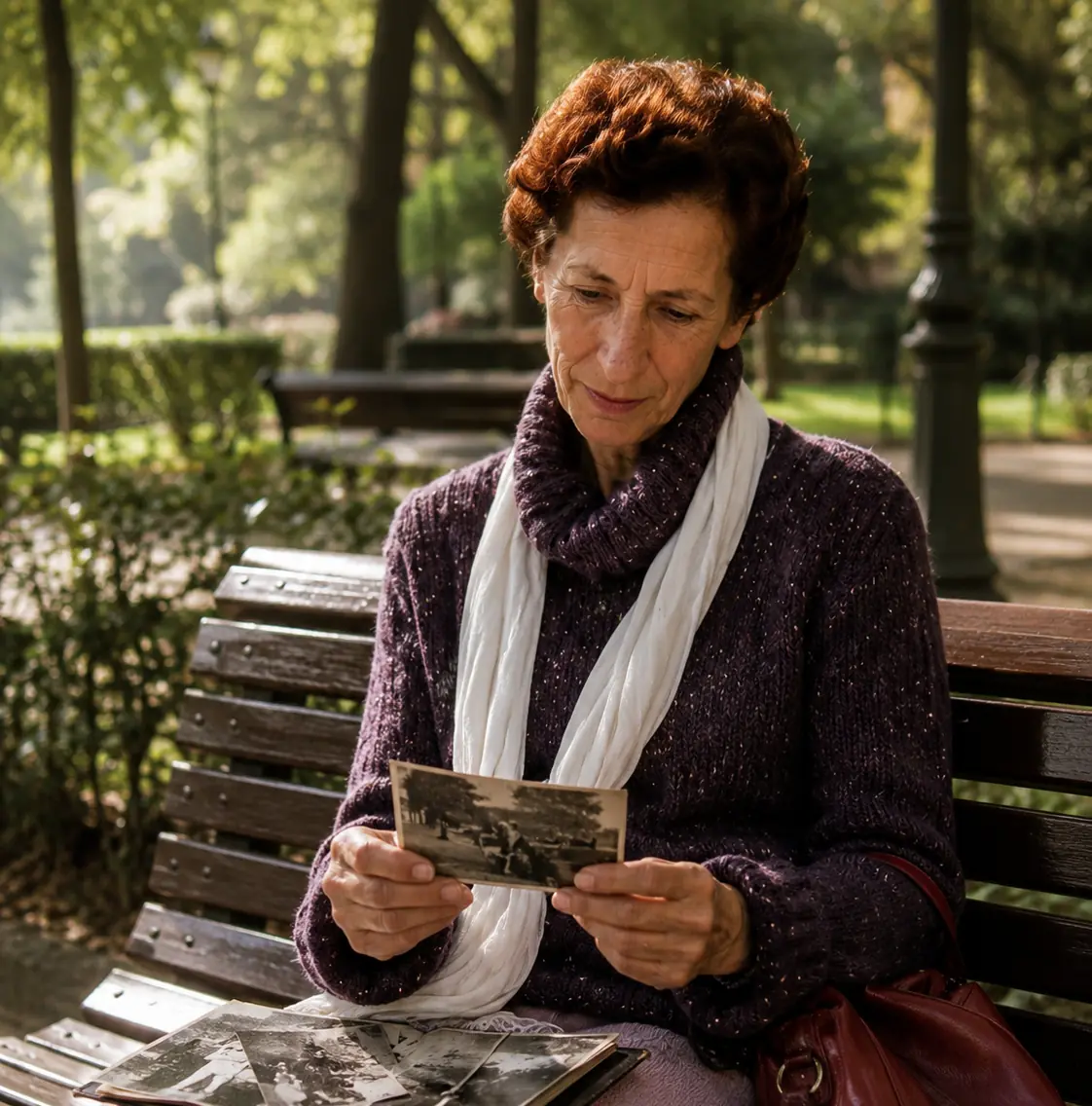
She spent her childhood in a small, isolated village where everyone knew one another. The girls played together, helped their families and walked every day along the stone paths connecting the houses, school, church and pastures.
Nothing suggested that this little girl's name would one day appear in books, news reports and documentaries in many countries. Yet one afternoon in June 1961, her life became forever linked to one of twentieth-century Spain's most widely debated religious episodes.
18 June 1961: how the story began
On the afternoon of 18 June 1961, Mari Cruz was with Conchita González, Jacinta González and Mari Loli Mazón near la Calleja, a steep path at the upper end of the village.
According to the account shared by the girls, they heard a loud noise while playing and saw a luminous figure whom they later identified as Saint Michael the Archangel. Over the following days, they said that the figure appeared again and told them that the Virgin Mary would visit them.
On 2 July 1961, all four said they had seen the Virgin Mary for the first time, under the title of Our Lady of Mount Carmel. From then on, the small village began welcoming people from neighbouring communities, priests, doctors, journalists, photographers and visitors drawn by the news.
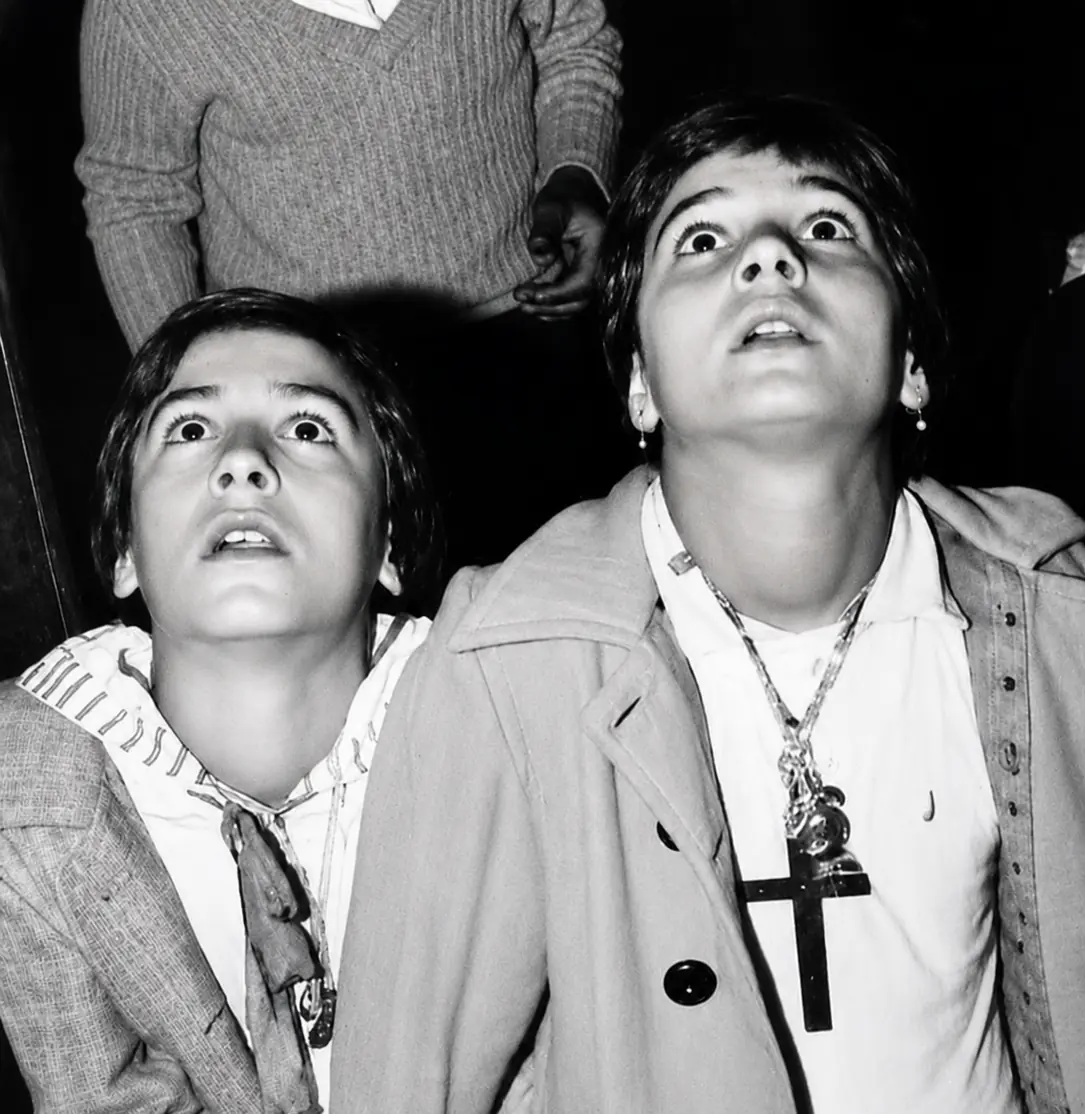
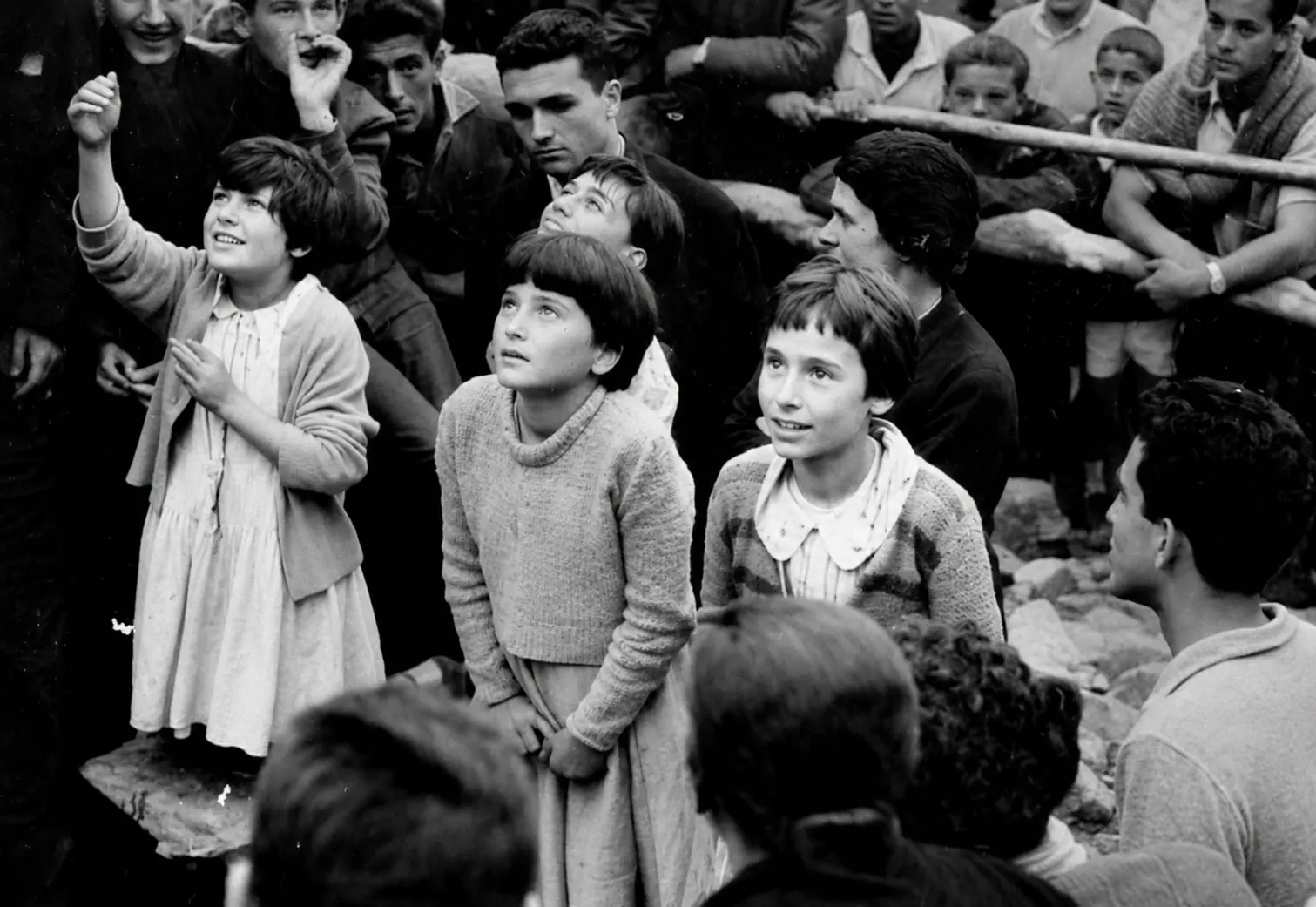
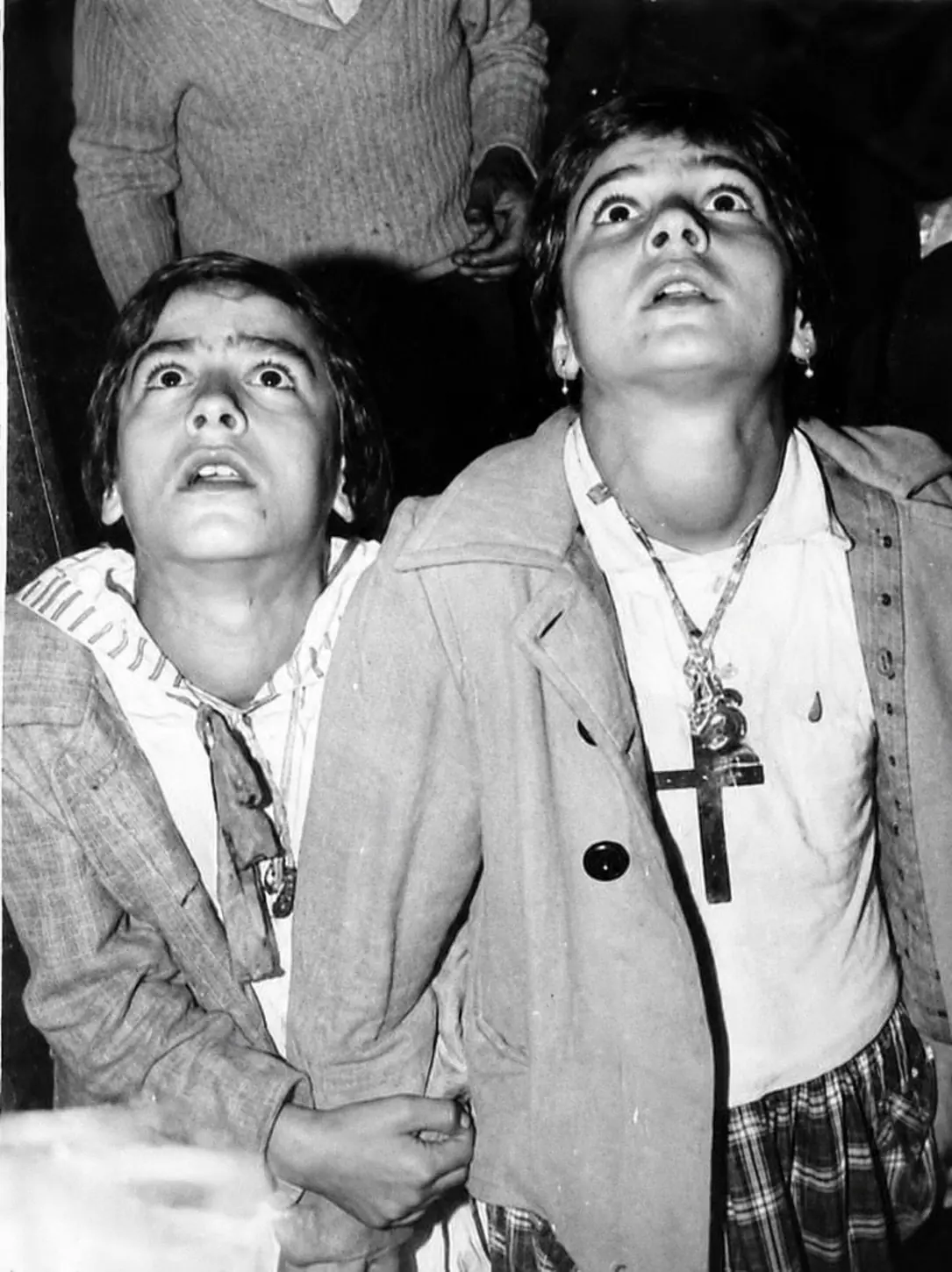
Mari Cruz appeared in many photographs alongside her companions, gazing upwards, walking through the streets or kneeling during states that those present described as ecstasies.
The experiences attributed to Mari Cruz
During the first few months, Mari Cruz took part in many episodes alongside Conchita, Jacinta and Mari Loli. Witnesses said that the girls entered a state of deep concentration, kept their eyes fixed upwards and seemed not to respond normally to external stimuli.
Sometimes they walked through the village together; at other times they were apart, accompanied by relatives, neighbours and visitors. Accounts also described them walking backwards over uneven paths, falling to their knees and holding up rosaries, medals and crucifixes, reportedly to be kissed during the apparitions.
For a chronological account of these episodes from 1961 to 1965, see the Garabandal timeline, which brings together the key dates for all four visionaries.
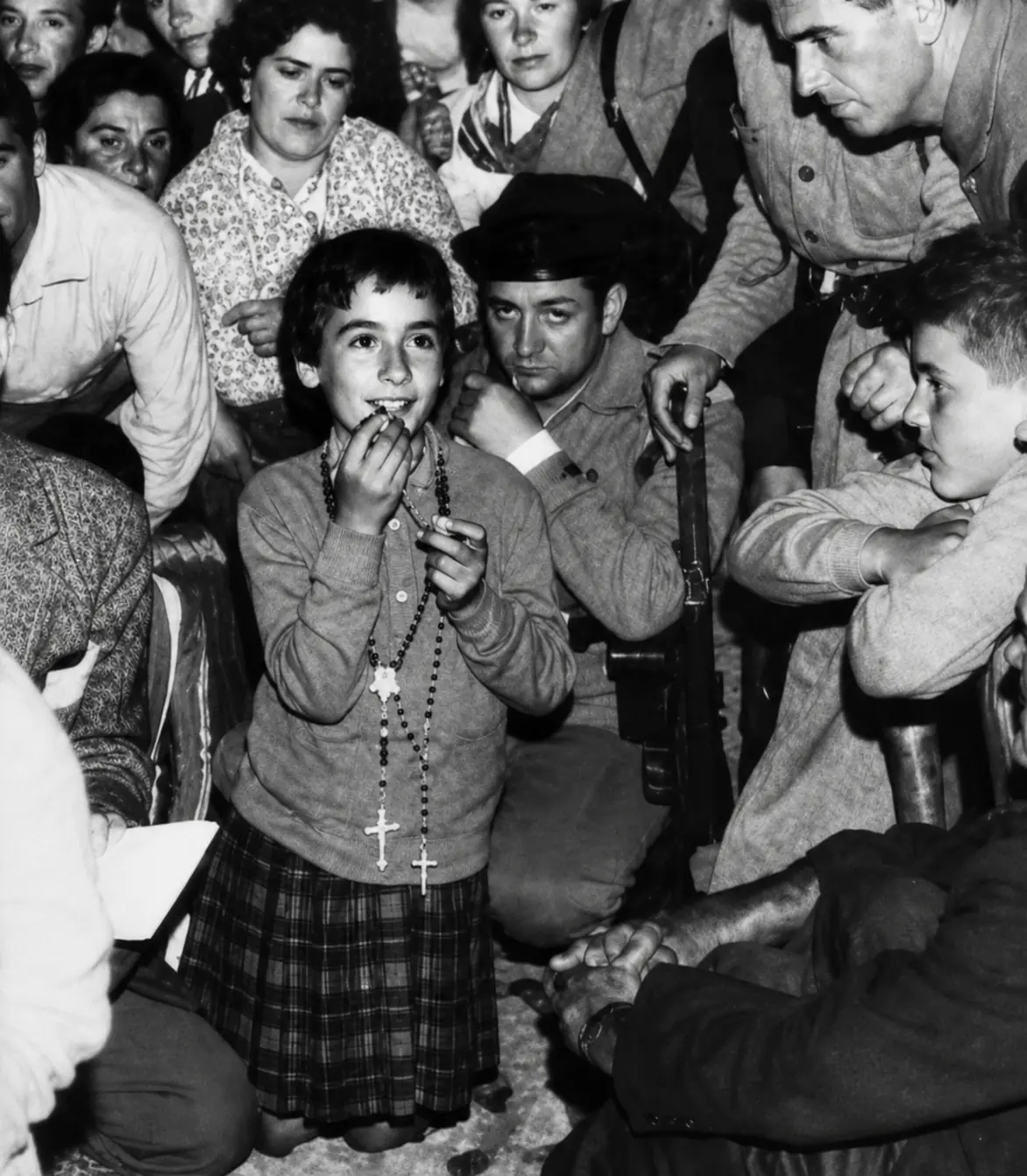
Mari Cruz occupied a distinctive place within the group. She was the youngest and, according to various accounts, also one of the first to show signs of doubt and fear as the pressure surrounding the events grew.
Mari Cruz and the nights of screams
Among the most striking episodes attributed to Garabandal are the so-called nights of screams, which took place in June 1962. Various sources date the main events to 19 and 23 June, although some accounts use the name to cover several nights around that time.
Mari Cruz was associated with these episodes alongside Mari Loli and Jacinta. According to witnesses, the girls entered ecstasy and began to weep and scream with an anguish very different from the serenity they usually displayed on other occasions.
Those present recalled hearing the girls ask people to go to confession, change their lives and prepare themselves spiritually. The intensity of the screams left a profound impression on villagers and pilgrims, some of whom said they began to pray or went to confession after the experience.
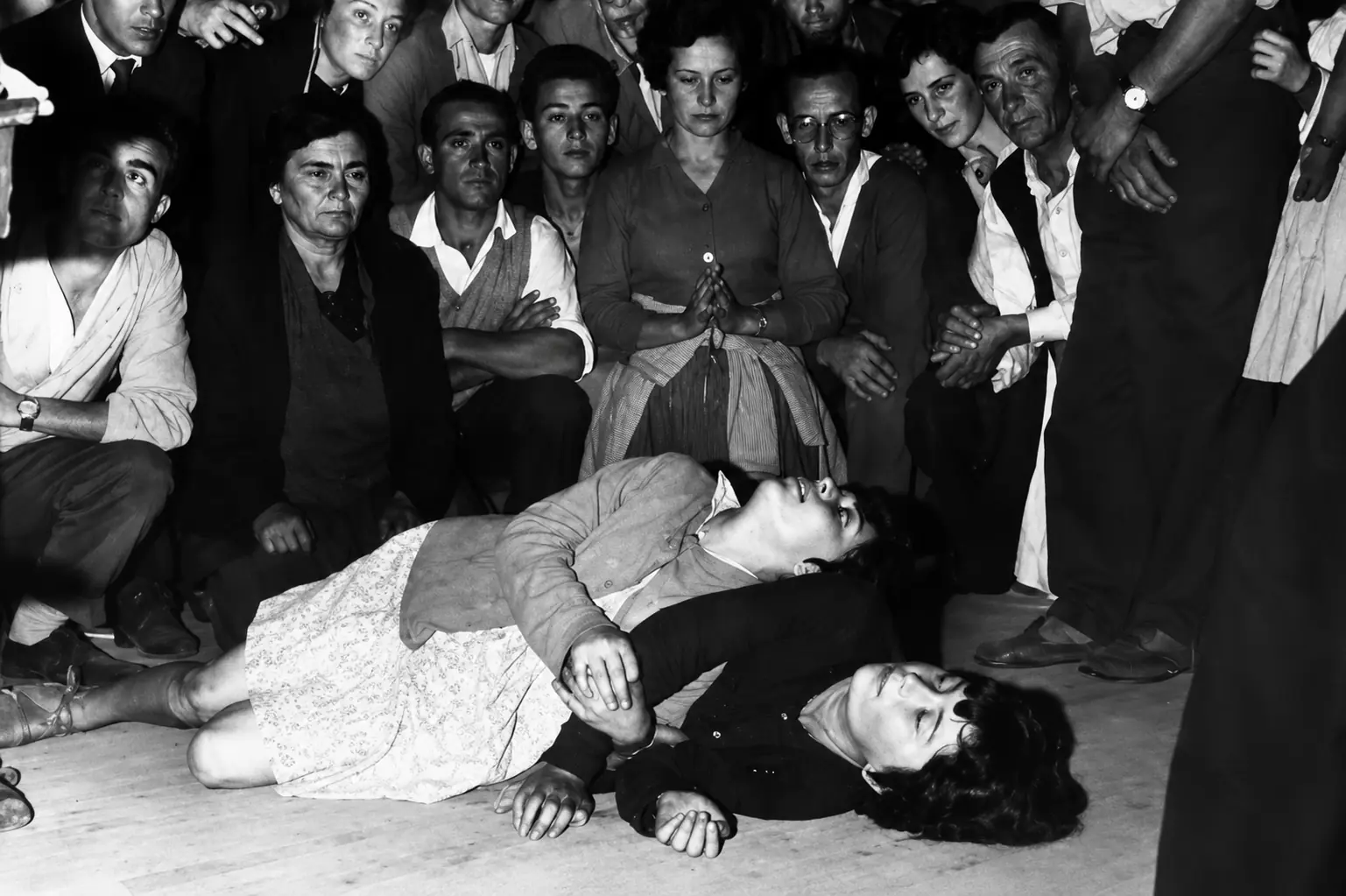
Later accounts linked those nights to a vision of the so-called Chastisement and a warning about the spiritual consequences for humanity of failing to change its ways. These interpretations form part of Garabandal's body of religious testimony; they are not claims officially recognised by the Church.
Doubts, pressure and an adolescence shaped by Garabandal
As time passed, Mari Cruz began to distance herself from the events. This change has been interpreted in very different ways. Some supporters of Garabandal believe that her denials arose from fear, family pressure, questioning and a desire to return to a normal life. Critics regard her statements as an admission that she had never witnessed anything supernatural.
What is beyond dispute is that Mari Cruz was a minor facing an exceptional situation. She was questioned by adults, watched by crowds and placed at the centre of a religious controversy far beyond her ability to control.
In 1966, all four young women gave statements to Church authorities. An official notice published afterwards maintained that they had denied the existence of apparitions and messages. In later years, the other three explained their denials as part of a period of doubt that, they said, had been foretold during the apparitions themselves.
The controversy over Mari Cruz's retraction
Mari Cruz became the most controversial of the four when she publicly stated that she had not seen the Virgin Mary or the angel. One of the best-known interviews appeared in 1984, when she was already an adult, married and a mother.
In that interview, she denied that the events were supernatural and described the story as something that had begun among the girls themselves. For years, these words were used as one of the principal arguments against the apparitions.
Later, however, documents, questionnaires and testimonies began to circulate claiming that Mari Cruz held a different view or had authorised the distribution of material favourable to Garabandal. The authenticity, context and interpretation of these documents have been debated.
Did she withdraw her retraction?
There is no simple answer. Some publications promoting Garabandal maintain that Mari Cruz later reaffirmed the authenticity of her experiences. Other sources consider her denials to have been clear and never publicly and unequivocally withdrawn.
For this reason, it is not right to present one version as conclusively established. Mari Cruz's biography contains contradictory claims and should be approached with care, always distinguishing documented statements from later interpretations.
Marriage, motherhood and a life out of the spotlight
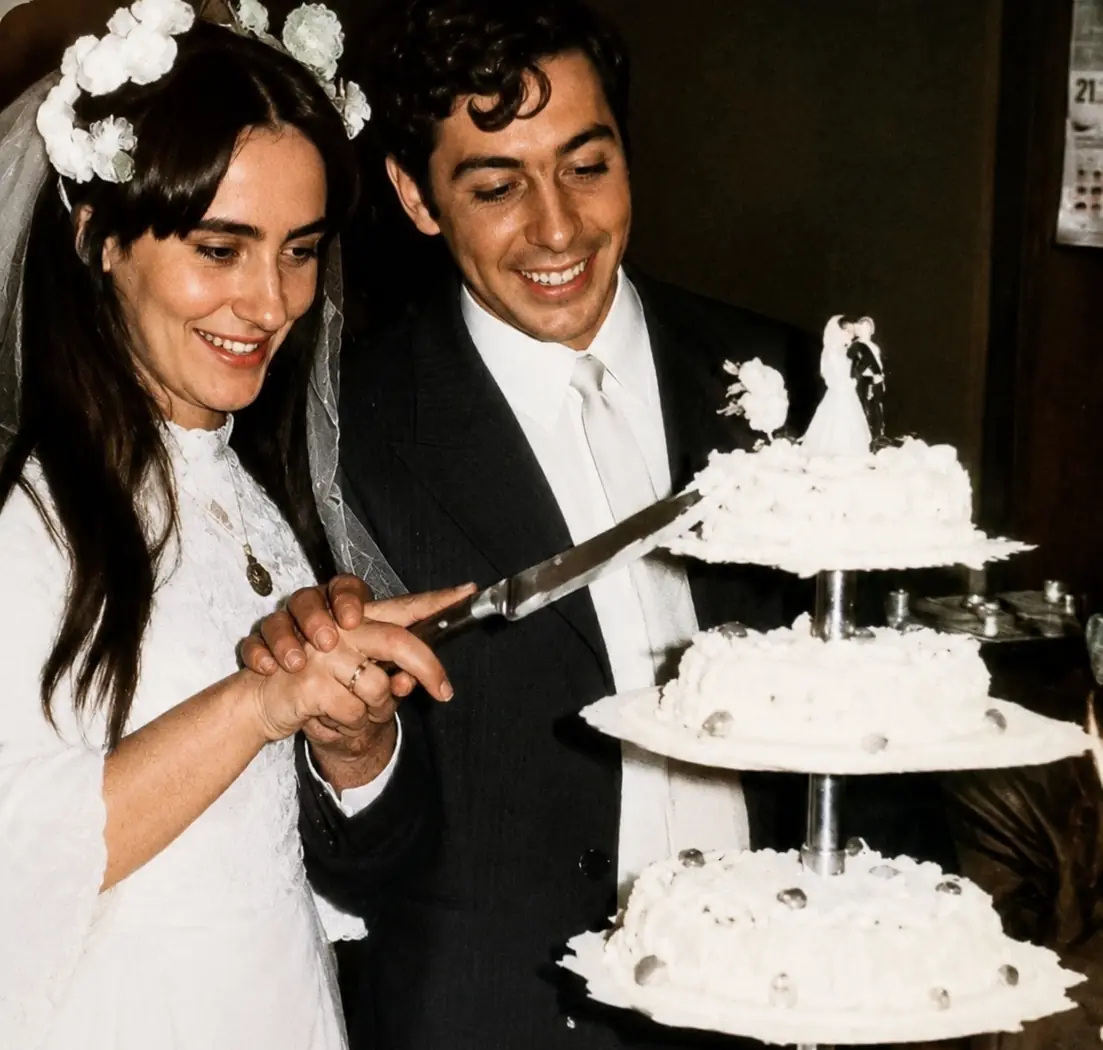
Mari Cruz married Ignacio Caballero in May 1970. The couple started a family and had four children. Unlike Conchita, Jacinta and Mari Loli, who spent much of their adult lives in the United States, Mari Cruz remained in Spain and settled in Avilés, Asturias.
During this period, she avoided becoming a permanent public figure. She did not regularly speak at conferences or give many interviews. Her priority was to protect her family life and keep her distance from the attention surrounding Garabandal.
Her reticence meant that every statement attributed to her took on enormous significance. Both defenders and critics of the apparitions looked to her words for confirmation of their own positions.
The legacy of the visionary who chose silence
Mari Cruz holds a different place in Garabandal's history. While the statements of Conchita, Jacinta and Mari Loli were more widely circulated through associations and documentaries, Mari Cruz's life remained surrounded by silence, contradictions and conflicting accounts.
For some believers, her doubts formed part of the trials and denials that the girls themselves had foretold. For others, her words pose a fundamental challenge to a supernatural interpretation of the events.
Her story is a reminder that behind the controversy was an eleven-year-old girl. Mari Cruz had to grow up while other people debated her gestures, memories and words. Her wish to lead a private life is also part of her legacy.
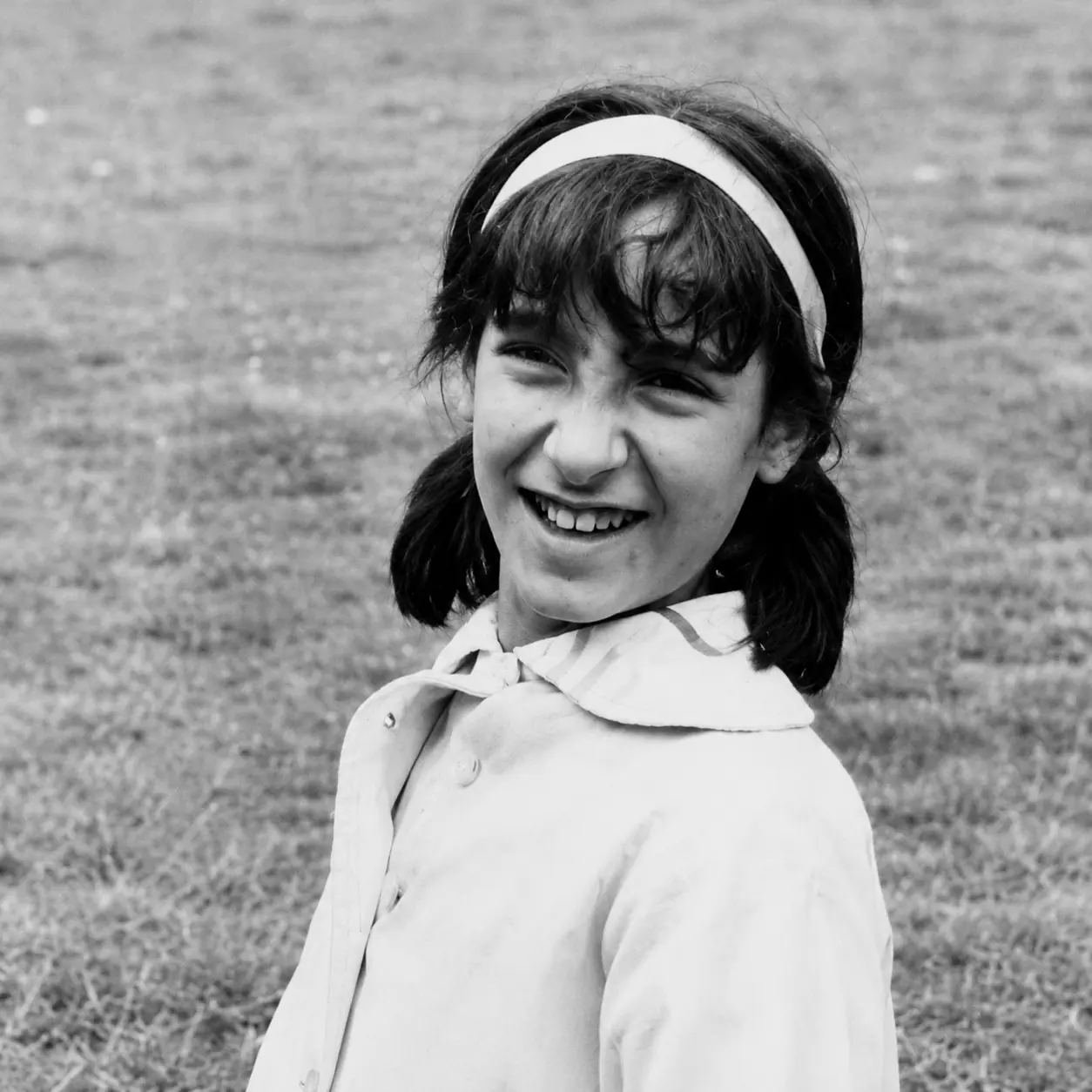
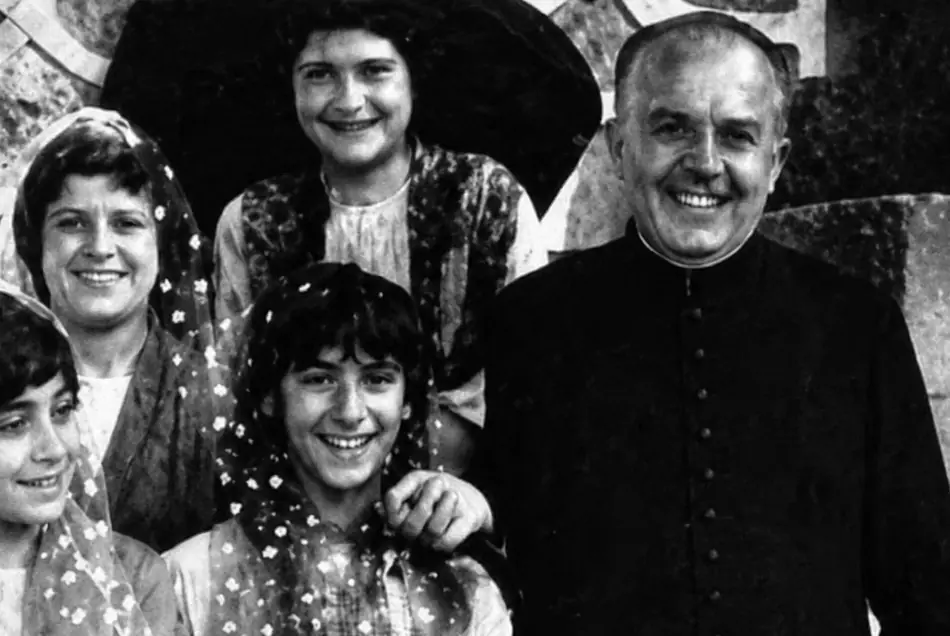
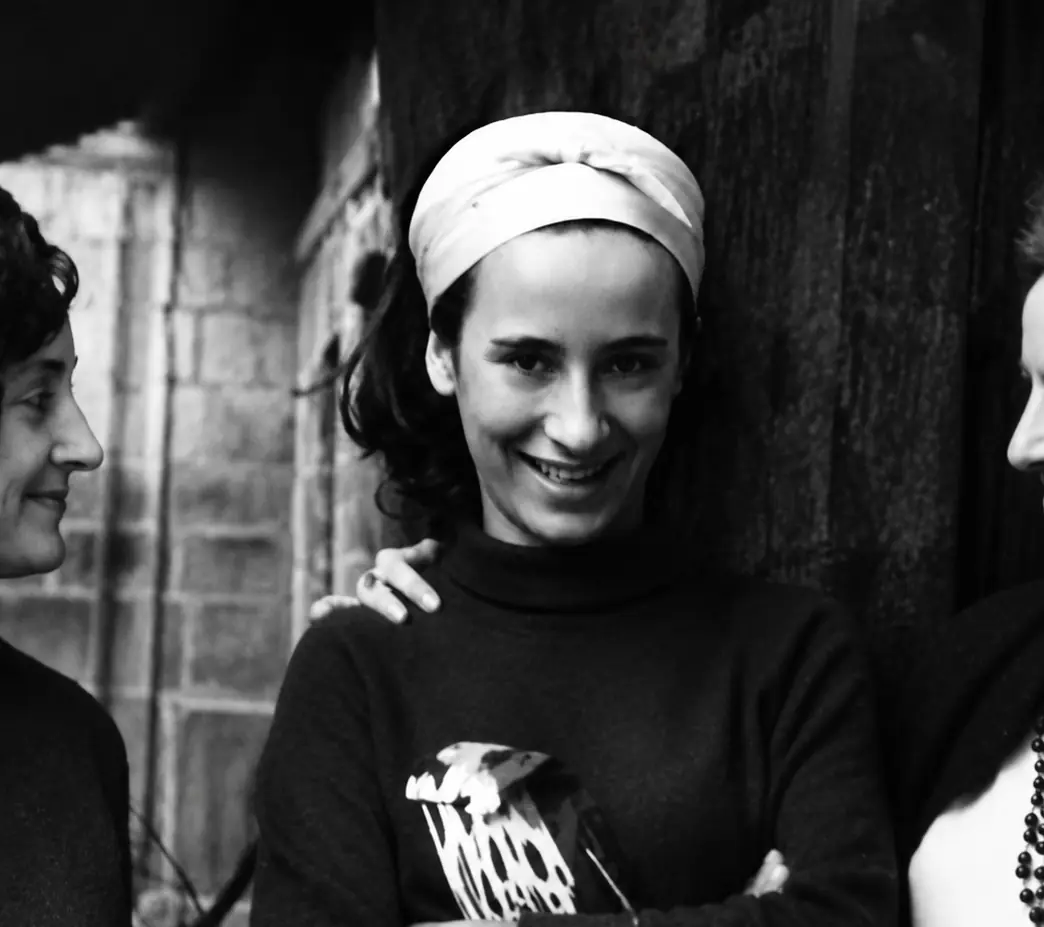
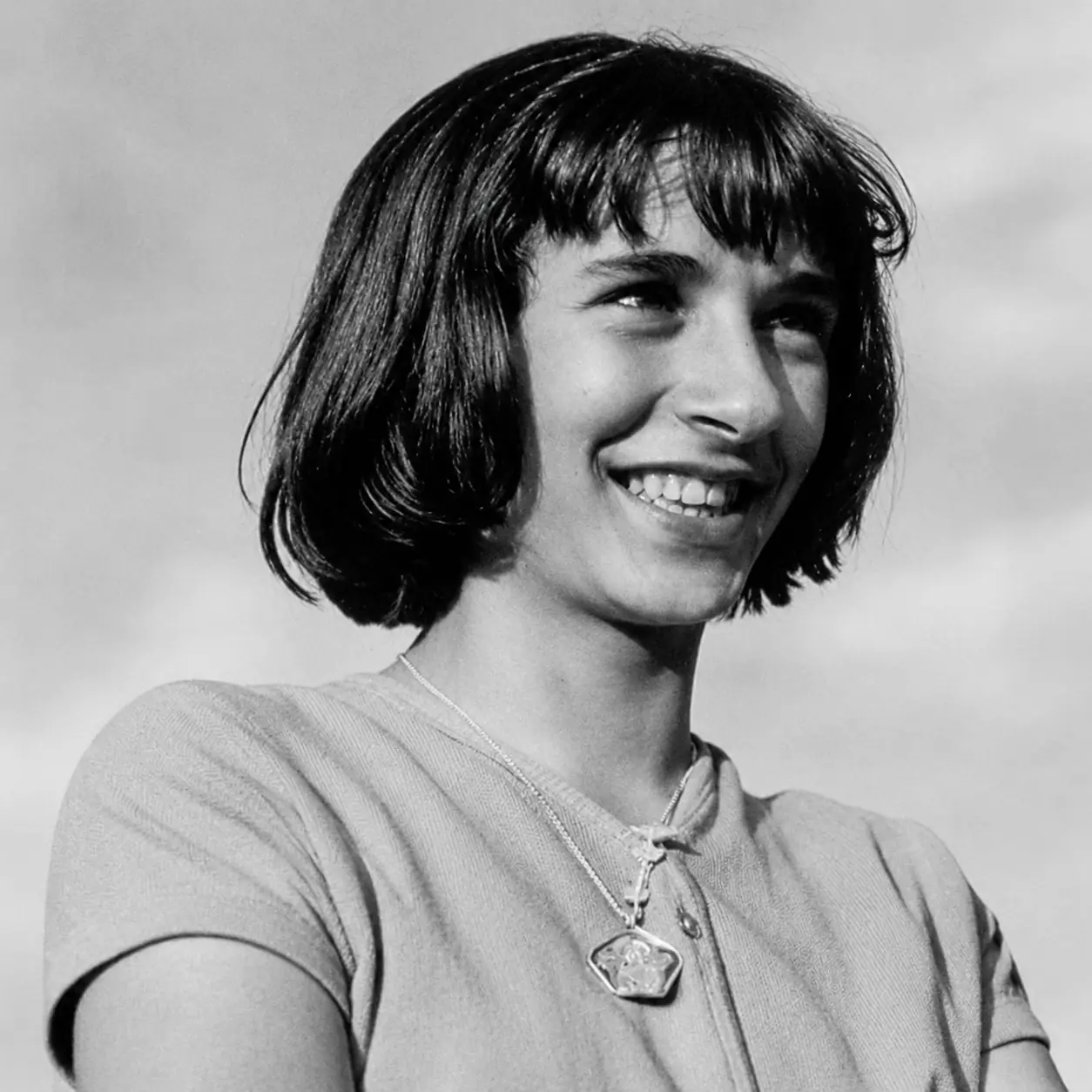
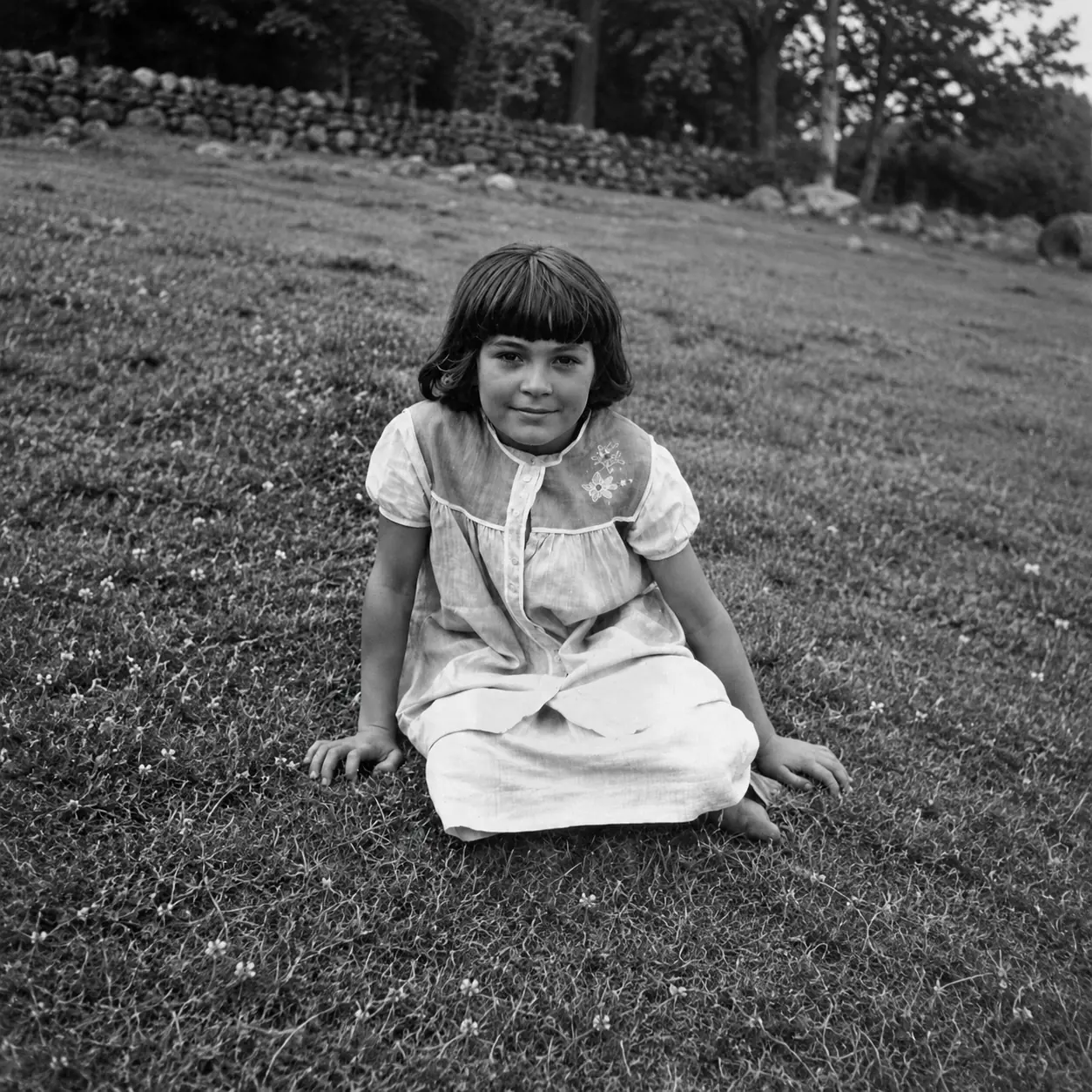
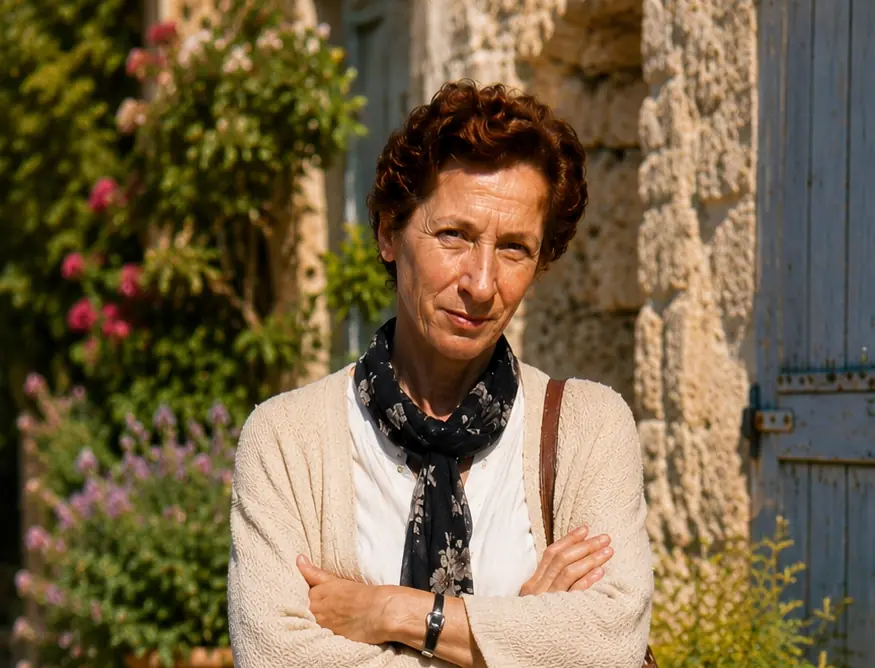
Mari Cruz González gallery
Frequently asked questions about Mari Cruz
What was Mari Cruz's full name?
Her full name was María Cruz González Barrido. Known as Mari Cruz from childhood, she was the daughter of Escolástico González and Pilar Barrido. Although she shared the surname González with Conchita and Jacinta, they were not closely related.
When and where was Mari Cruz born?
She was born on 21 June 1950 in San Sebastián de Garabandal, Cantabria. She was the youngest of the four girls. When the events began on 18 June 1961, she was still eleven and turned twelve three days later.
What part did she play in the beginning of the apparitions?
Mari Cruz was with Conchita, Jacinta and Mari Loli on the afternoon of 18 June 1961. According to the account shared by the girls, all four saw a figure whom they later identified as Saint Michael the Archangel. Days later, they said they had seen the Virgin Mary under the title of Our Lady of Mount Carmel.
Did Mari Cruz take part in the nights of screams?
Yes. Various accounts place her alongside Mari Loli and Jacinta during some of the June 1962 episodes known as the nights of screams. Witnesses described weeping, screams and pleas for people to go to confession that left a deep impression on those in the village.
Did Mari Cruz deny having seen the Virgin Mary?
Yes. There are documented statements in which she denied having seen the Virgin Mary and the angel. One of the best known was published in 1984. There are also sources favourable to Garabandal that attribute her denials to pressure, fear or confusion and later circulated documents suggesting a different attitude. Her position has therefore remained a subject of debate.
Did she later withdraw her denial?
There is no answer accepted by all sides. Some associations claim that she later reaffirmed the authenticity of what happened, while other sources consider that she never publicly and unequivocally withdrew her denials. The more responsible approach is to present both accounts rather than claim that a disputed matter has been proved.
Whom did she marry, and how many children did she have?
Mari Cruz married Ignacio Caballero in May 1970. The couple had four children. The family settled in Avilés, Asturias, where Mari Cruz led a quiet life away from public scrutiny.
Why is her testimony so important?
Because she was the youngest of the four girls and the most public in expressing her doubts and denials. Her words are cited both by those who question the apparitions and by those who believe that her contradictions resulted from the pressure she endured. Her case is essential to understanding the full human and documentary complexity of Garabandal.
Has the Church approved the Garabandal apparitions?
The Catholic Church has not officially recognised the supernatural nature of the events. The apparitions, messages and prophecies must therefore be presented as claims attributed to the girls, not as facts officially approved by the Church.
Continue exploring Garabandal
Discover the lives of Conchita González, Jacinta González and Mari Loli Mazón, along with the messages, testimonies and places associated with Garabandal.
Visit NOCTAVIA on YouTube