A childhood in the mountains of Cantabria
María Dolores Mazón González, known from childhood as Mari Loli, was born on 1 May 1949 in San Sebastián de Garabandal, a small mountain village in the municipality of Rionansa, Cantabria.
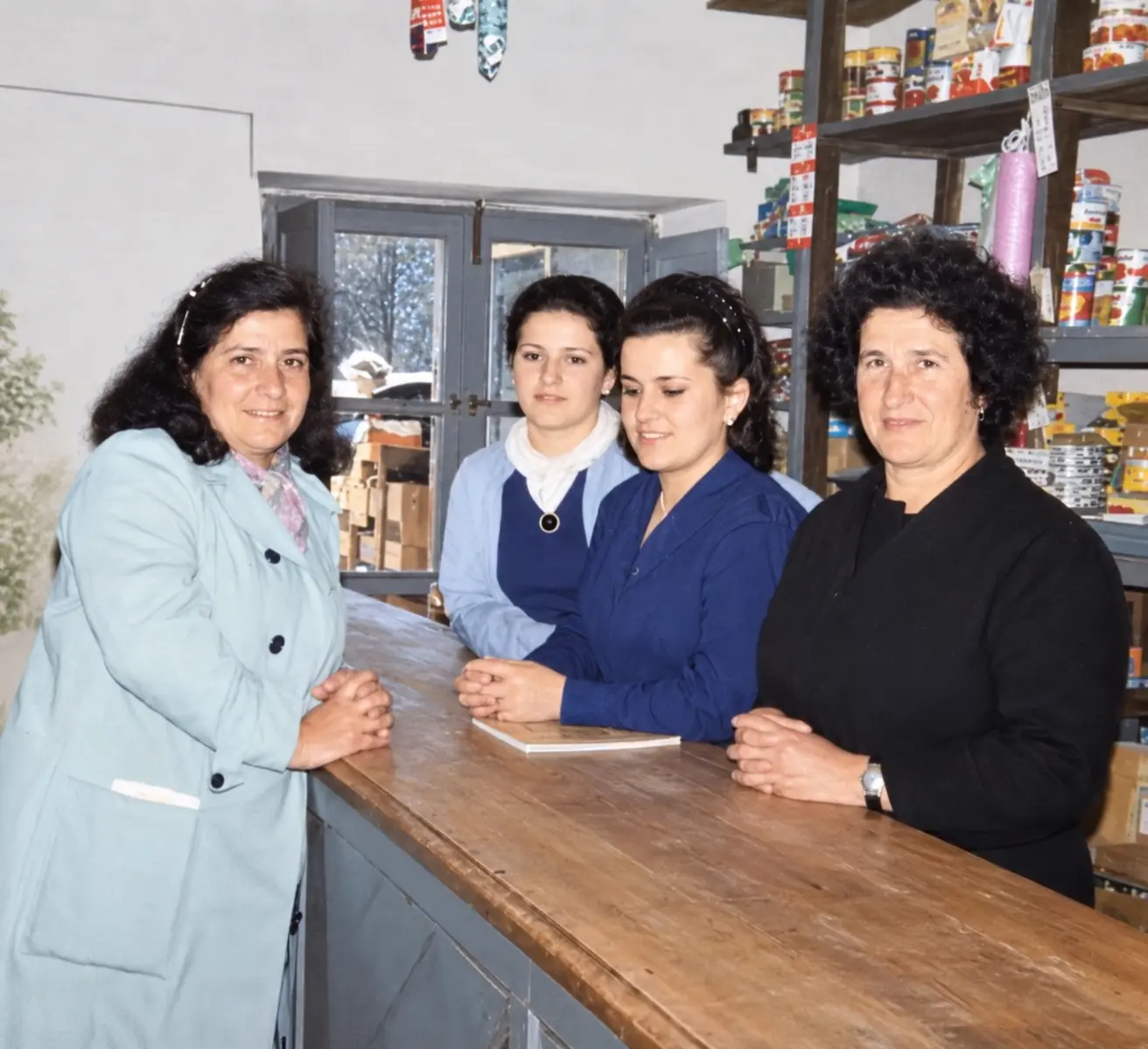
She was the daughter of Ceferino Mazón and Julia González. Her father was the village headman, and the family mainly worked on the land. They also ran a small establishment in Garabandal where neighbours could gather and buy basic supplies.
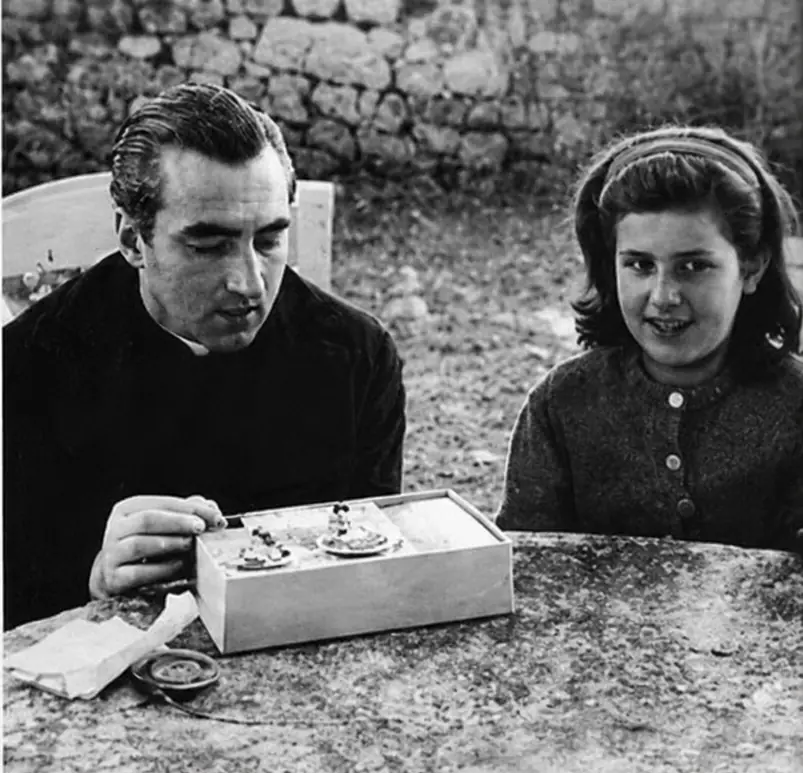
Mari Loli grew up with her siblings in a rural setting where children helped with family chores from an early age. Her days revolved around school, looking after animals, housework, church and playing in the village streets.
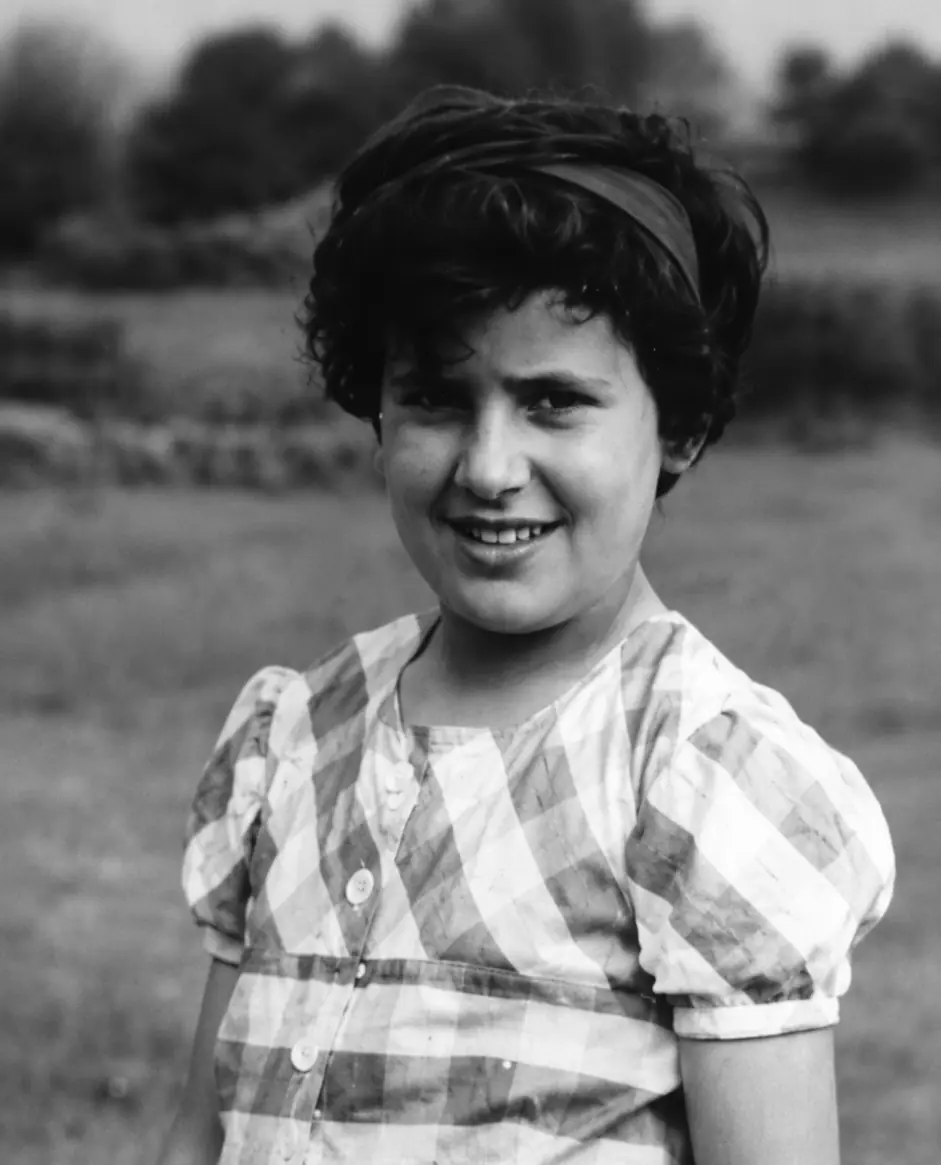
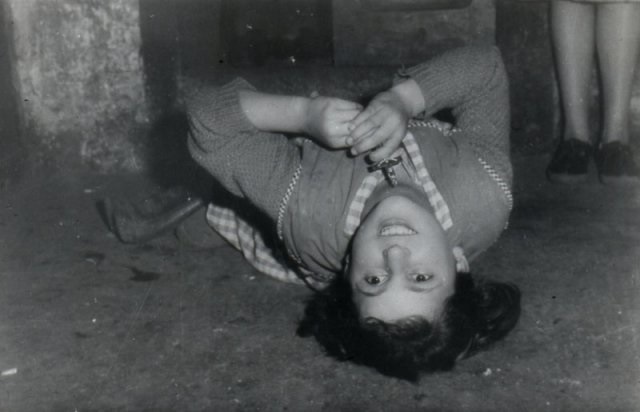
Those who knew her as a child described her as sensitive and reserved. Nothing suggested that, shortly after her twelfth birthday, her name would become known to thousands of people beyond Cantabria and Spain.
18 June 1961: the beginning of it all
On the afternoon of 18 June 1961, Mari Loli was with Conchita González, Jacinta González and Mari Cruz González on a path at the upper end of the village. According to the four girls' account, they saw the figure of an angel while playing near la Calleja.
Over the following days, they said that the figure appeared to them again. They later said they recognised him as Saint Michael the Archangel. On 2 July 1961, they reported seeing the Virgin Mary for the first time, describing her under the title of Our Lady of Mount Carmel.
Everything that followed that afternoon, month by month and year by year, is set out in our timeline of the Garabandal apparitions.
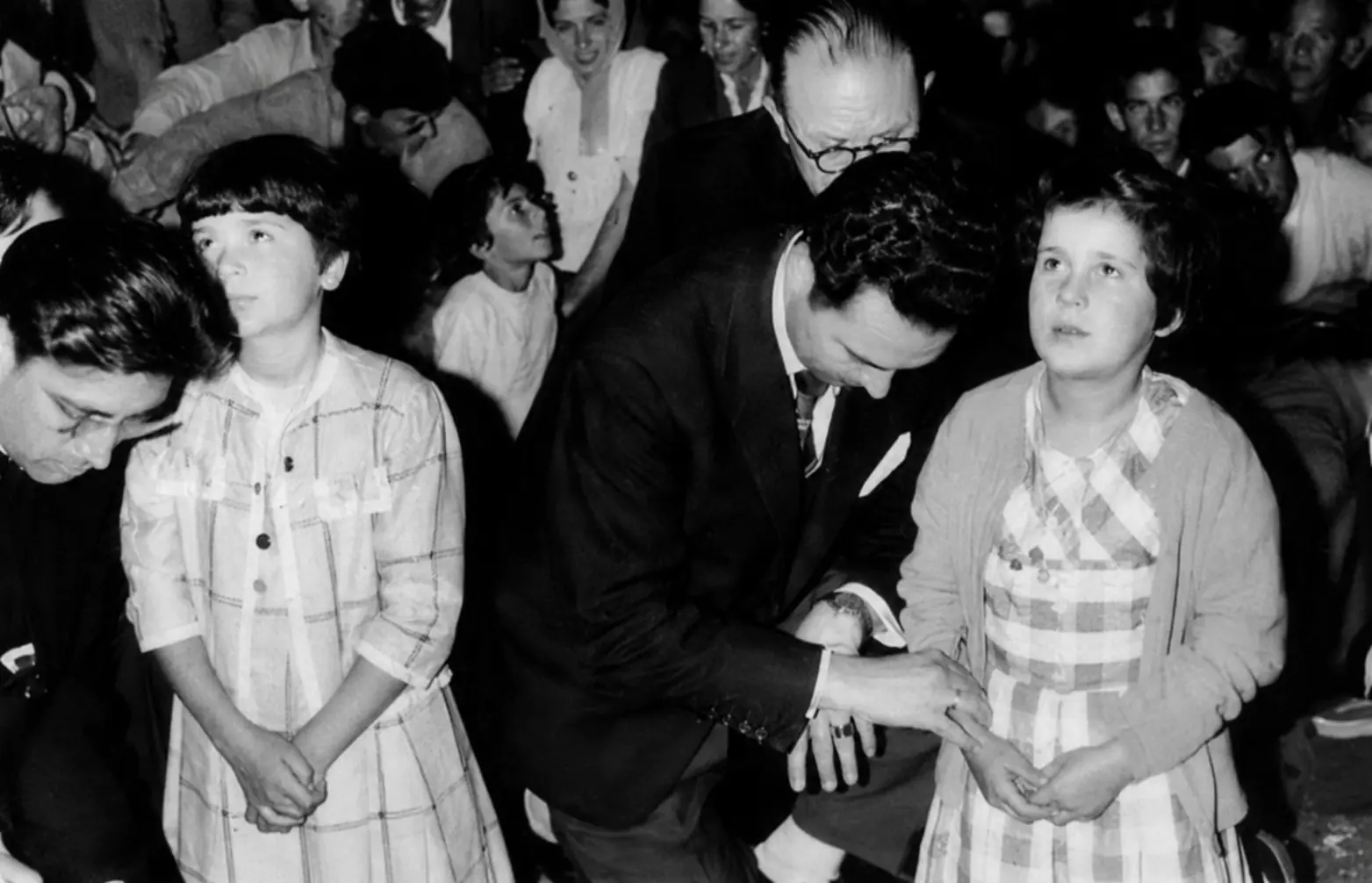
News spread rapidly. Villagers, priests, doctors, journalists and visitors made their way to the small village to observe what was happening.
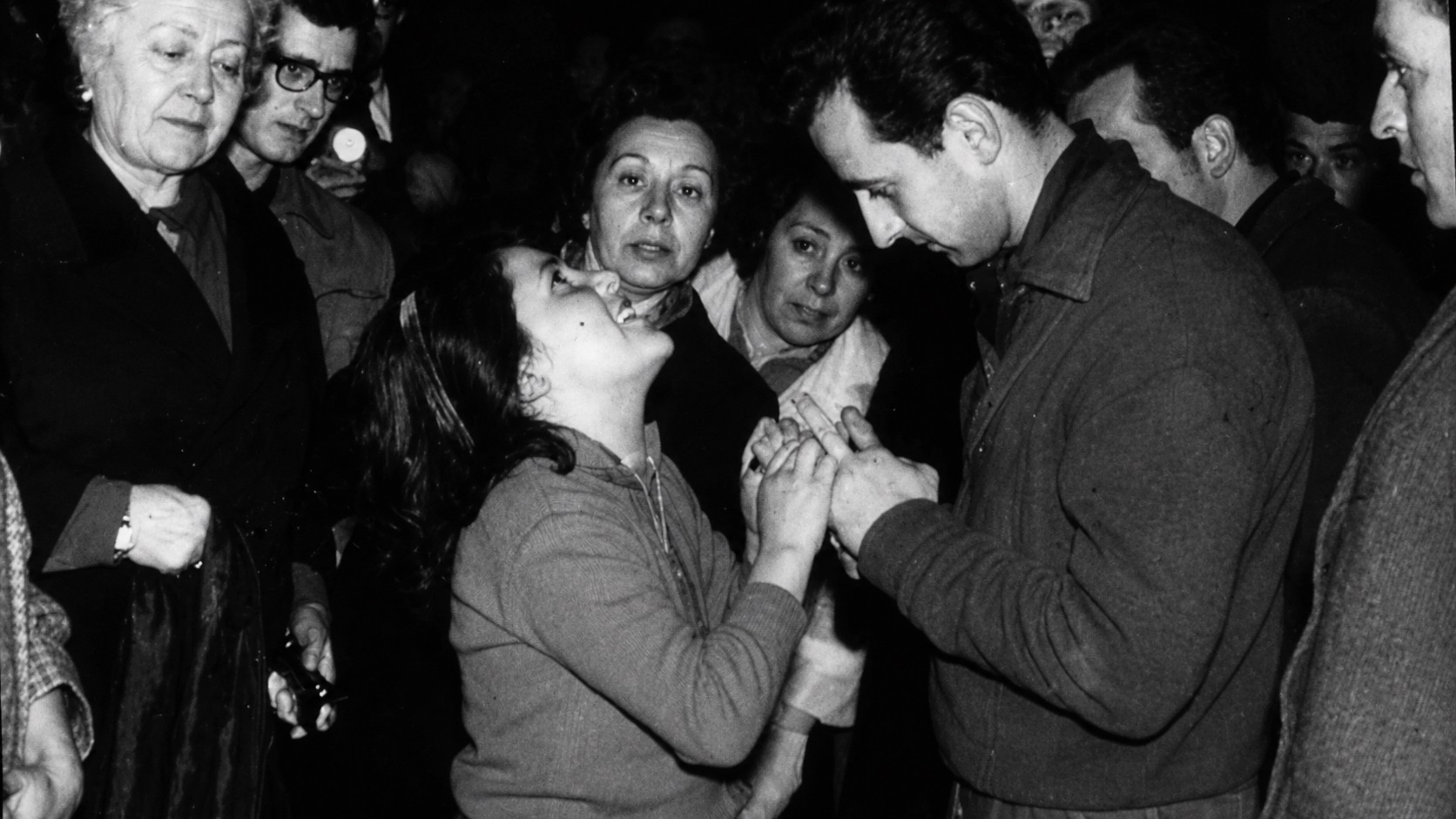
The girls were seen walking through the streets with their eyes raised, praying, holding up religious objects to be kissed and entering states that witnesses described as ecstasies.
Mari Loli's experiences during the ecstasies
Mari Loli took part in many episodes alongside Conchita, Jacinta and Mari Cruz. Sometimes all four girls said they were seeing the same apparition; at other times, they reported different experiences.
One of the best-remembered episodes concerns the rosary belonging to the Jesuit Luis María Andreu. It was lost during an ecstatic walk on the night of 8 August 1961 and, according to the account, Mari Loli found it the next day in the place the Virgin Mary had indicated to her.
Witnesses reported that, during these states, the girls seemed not to react to noise, physical contact or lights held in front of their eyes. They were also photographed walking backwards along uneven paths without showing any fear.
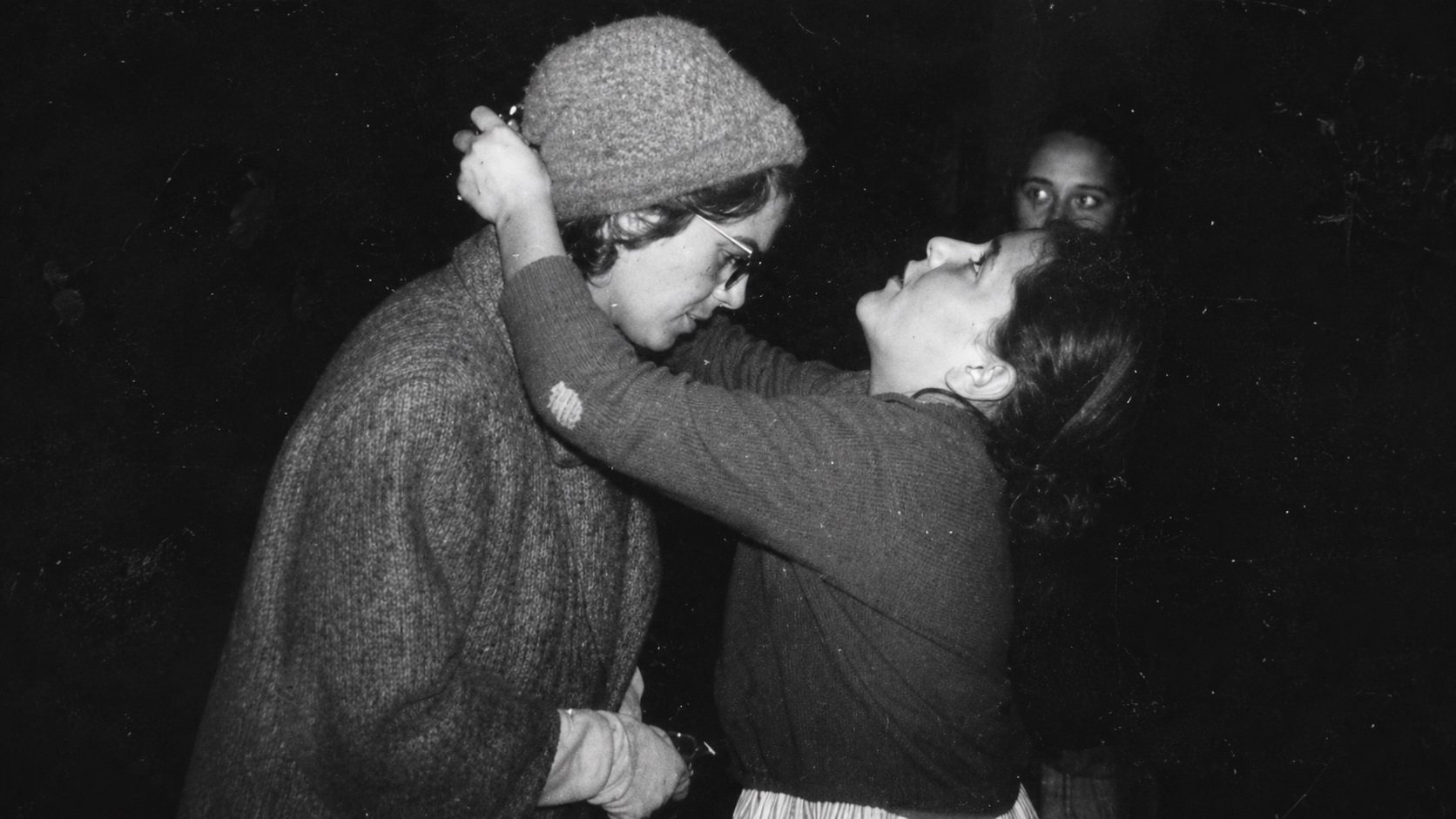
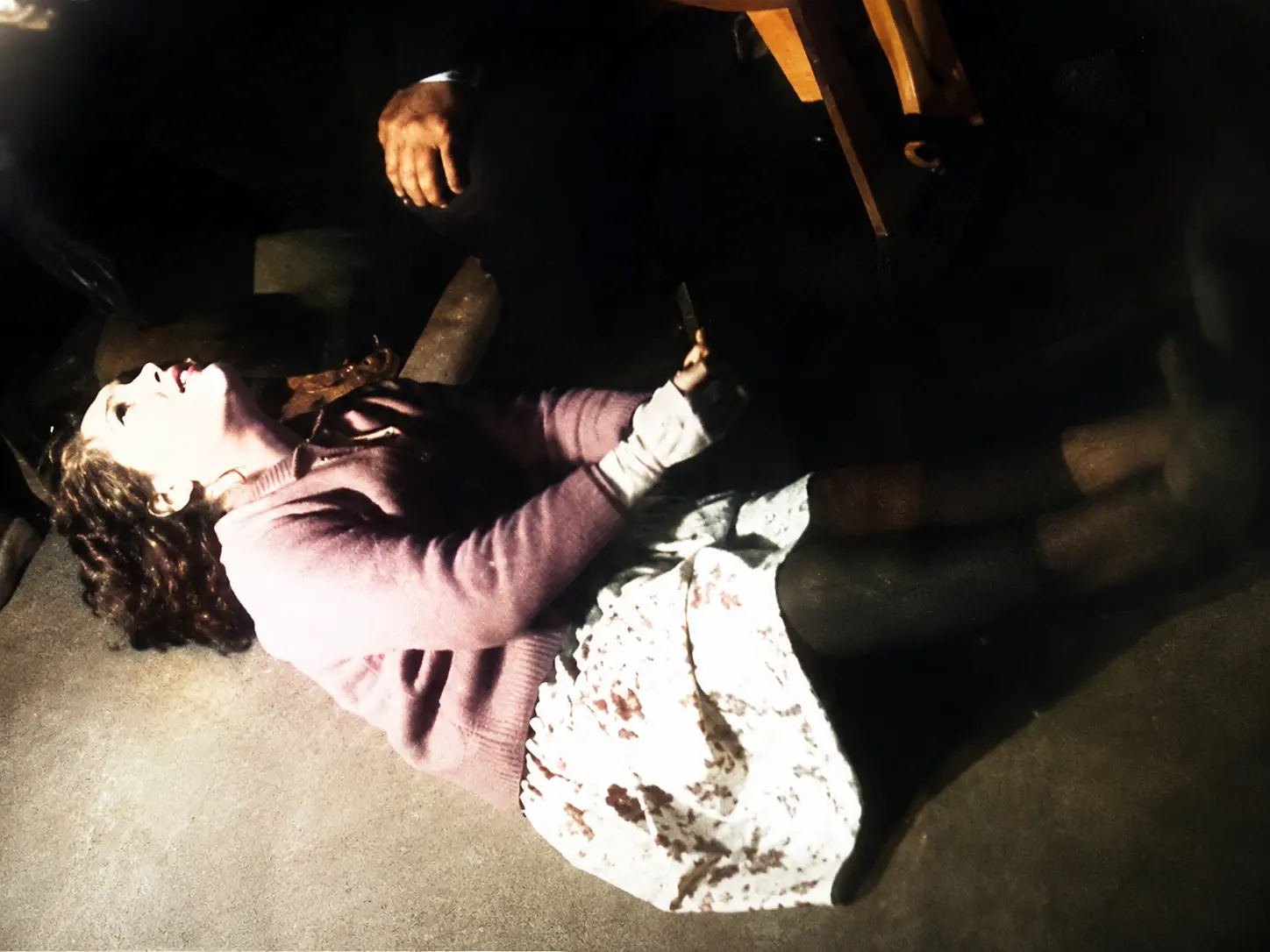
Years later, Mari Loli explained that the experiences had felt entirely real to her. She said that, during the ecstasies, the presence she saw brought her a joy that was difficult to describe, and that returning to ordinary awareness was a profound emotional contrast.
The night of screams
One of the most striking and mysterious episodes in Garabandal's history is known as “the night of screams”, which took place in the early hours of the night of 18–19 June 1962. Dozens of villagers and pilgrims said they witnessed a scene still remembered today as one of the most extraordinary moments experienced in the small Cantabrian village.
That night, Jacinta González, Mari Loli Mazón and Mari Cruz González began running swiftly towards Los Pinos. According to the many witnesses present, the three girls moved at great speed up the steep path, letting out heartrending screams towards heaven. Their voices conveyed deep anguish, and they seemed to be pleading for humanity.
What made the scene even more remarkable was that Conchita González was not with them. While her three companions climbed towards Los Pinos in ecstasy, Conchita remained in her family's kitchen. There, before several relatives and neighbours, she too entered a deep ecstasy, suddenly falling to her knees on the floor, completely unaware of everything around her.
According to those who witnessed it, Conchita's ecstasy began at almost the same moment as the other three girls started running towards Los Pinos. Although they were in different places and unable to communicate, witnesses said that all four ecstasies seemed to unfold simultaneously, as though they were part of a single event.
During this experience, the girls said they saw a vision of immense spiritual intensity. As they later explained, the Virgin Mary showed them the suffering caused by the sins of the world and the pain these inflicted on the Heart of Jesus. The vision affected them deeply, finding outward expression in the screams and pleas heard by those present.
Many villagers recalled that they had never heard screams like them. Some witnesses said they wept as they heard the girls plead for the salvation of sinners, while others described the scene as one of the most moving experiences of their lives.
When the ecstasy ended, all four girls gradually returned to normal. Conchita left her house while the other three came down from Los Pinos. They later explained that, that night, they had understood with particular intensity the importance of prayer, penance and conversion.
Over the years, the so-called “Night of Screams” became one of the episodes most closely studied by Garabandal researchers. For many believers, it represents one of the most spiritually charged moments in the entire history of the apparitions; for researchers, it is among the best-documented events, thanks to the large number of people who said they witnessed it.
According to those present, during their experiences the girls saw a scene that filled them with fear. Their screams and expressions of anguish could be heard by many people in the village.
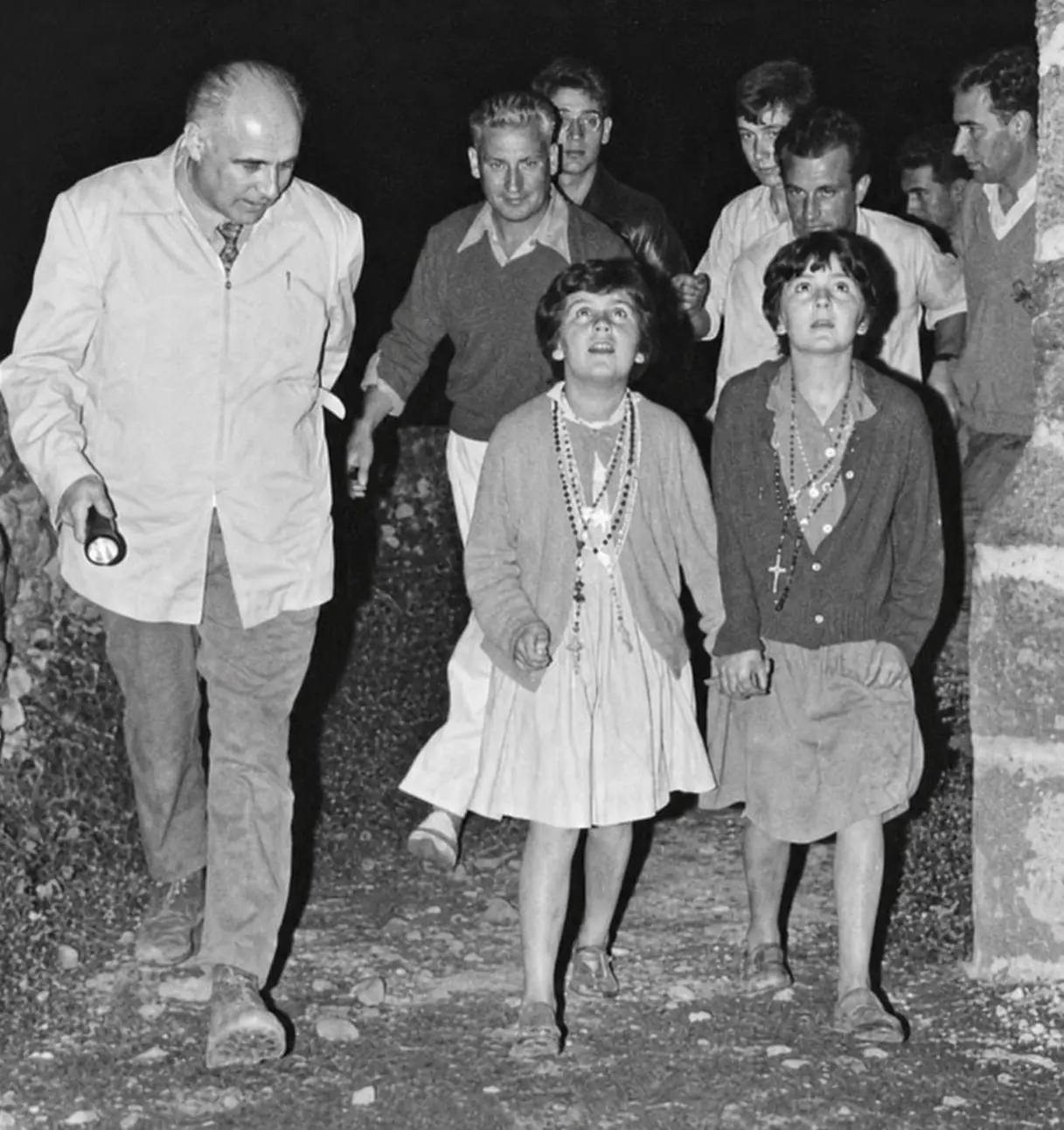
Mari Loli later linked this experience to the consequences humanity would face through turning away from God. The testimonies indicate that the girls were deeply affected by what they said they had seen.
For many villagers, that night marked a turning point. Some people who had come merely to observe began to pray and go to confession after witnessing the girls' reaction.
Mari Loli and the mystery of the Warning
Among the events attributed to Garabandal, Mari Loli became particularly associated with the so-called Warning. As she explained in various interviews, this would be a universal experience affecting everyone at the same time.
Every human being would see inwardly the state of their conscience, the good and evil they had done throughout their life and the ways their actions had affected others.
Did Mari Loli know the date of the Warning?
Mari Loli said she knew the year in which the Warning would take place, but not the exact day. She also explained that she had not been entrusted with announcing it publicly.
Over the years, rumours emerged suggesting that she might have written down the date before her death. However, there is no reliable confirmation that she left a letter, a sealed envelope or a revelation intended to be made public after she died.
Her interviews and the strength of her testimony
Although Mari Loli led a quiet life, she gave a few interviews in which she discussed the events of her childhood, the Warning and the spiritual message she said she had received.
In her statements, she avoided portraying herself as an extraordinary person. She insisted that she was an ordinary woman and that the events of 1961 should not become merely a search for dates or prophecies.
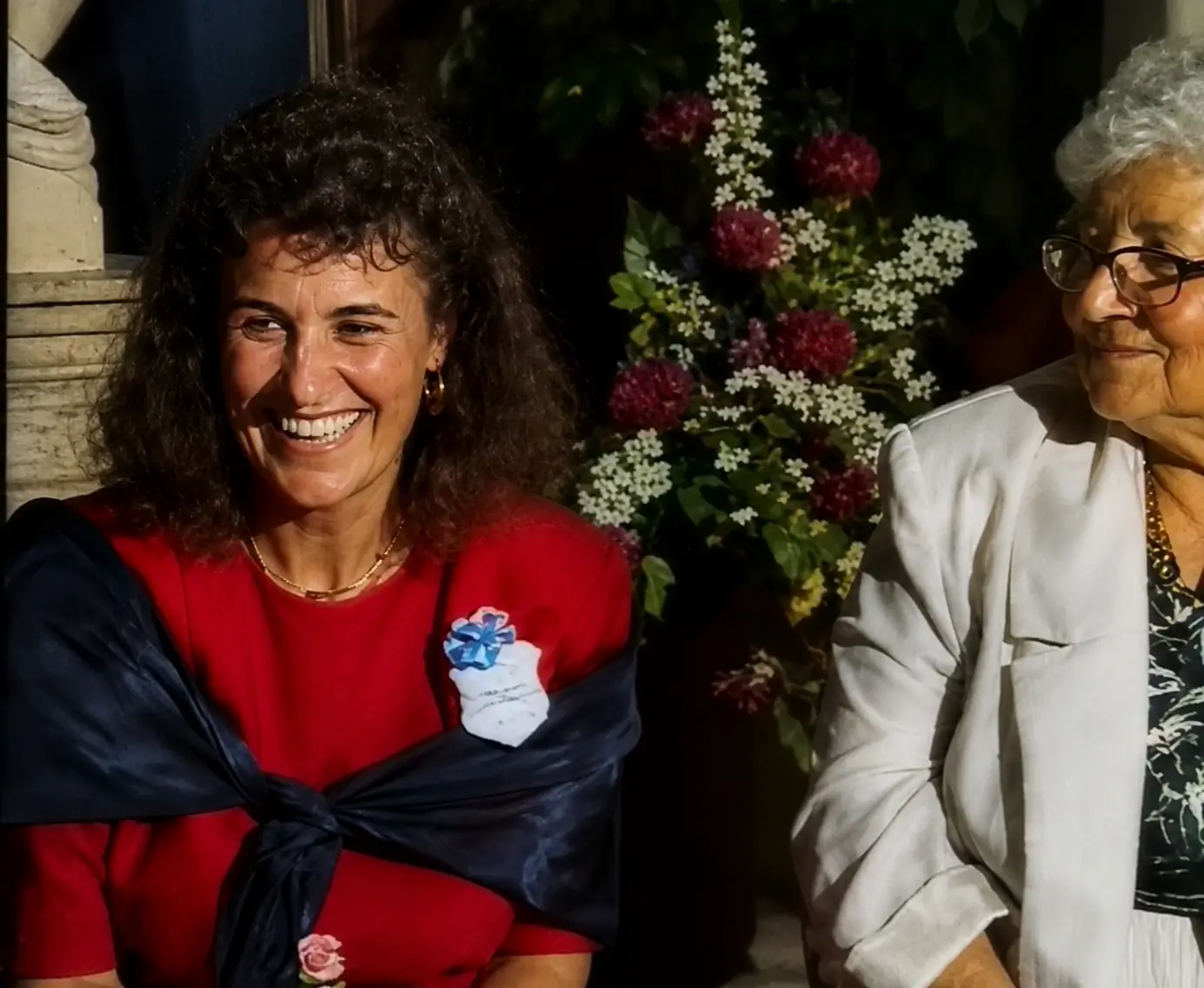
One documented interview took place on 29 September 1978, when the Jesuit priest Francis Benac spoke with her about her experiences. Mari Loli discussed prayer, suffering and the responsibility to live in accordance with the Christian message.
Her public manner was generally cautious. She did not seek constant media attention or turn her story into a public career. Garabandal shaped her life, but she tried to shield her husband and children from outside attention.
Marriage, motherhood and life in the United States
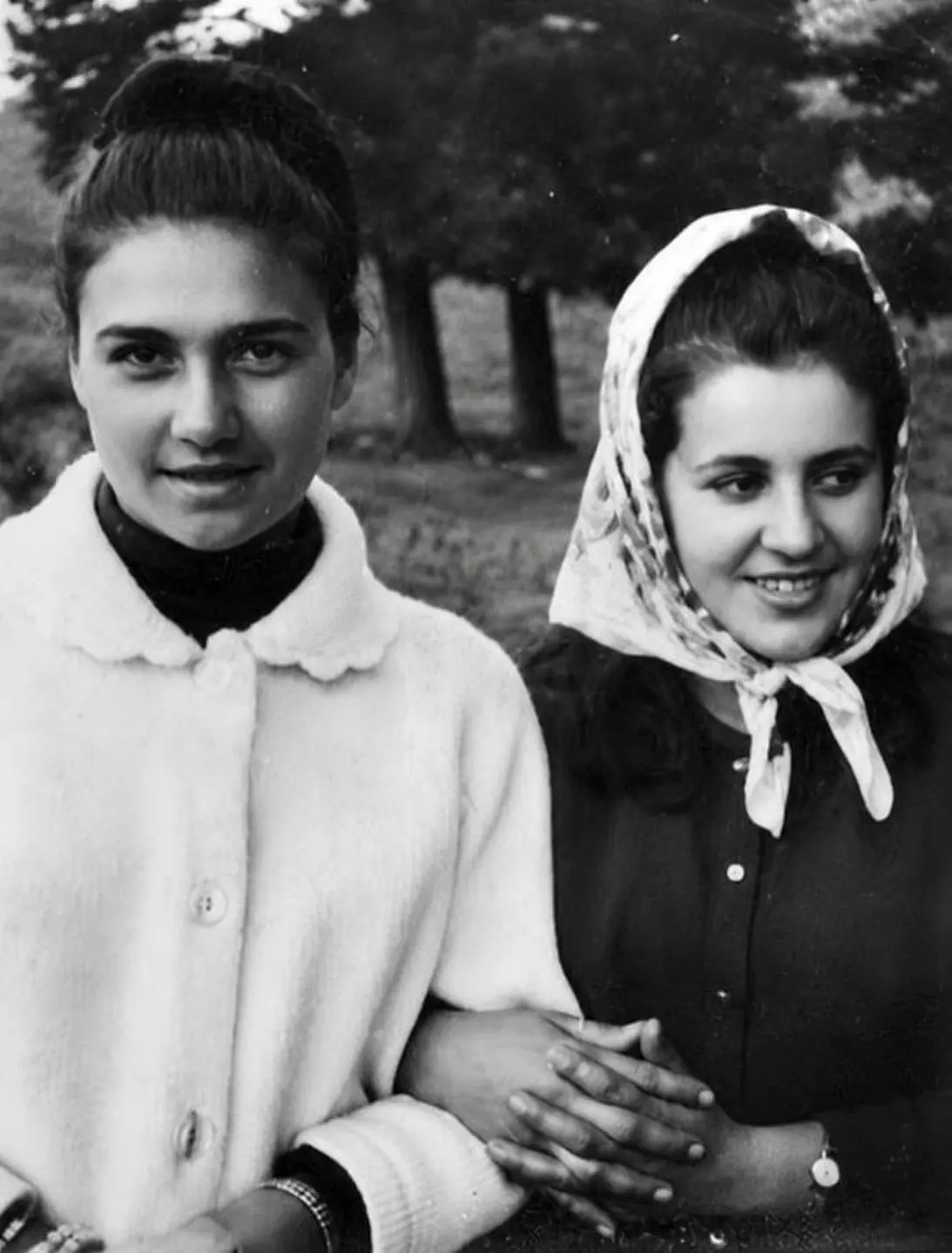
During the 1970s, Mari Loli moved to the United States. There she met Francis LaFleur, whom she married in Massachusetts in 1974. From then on, she was also known as María Dolores Mazón LaFleur.
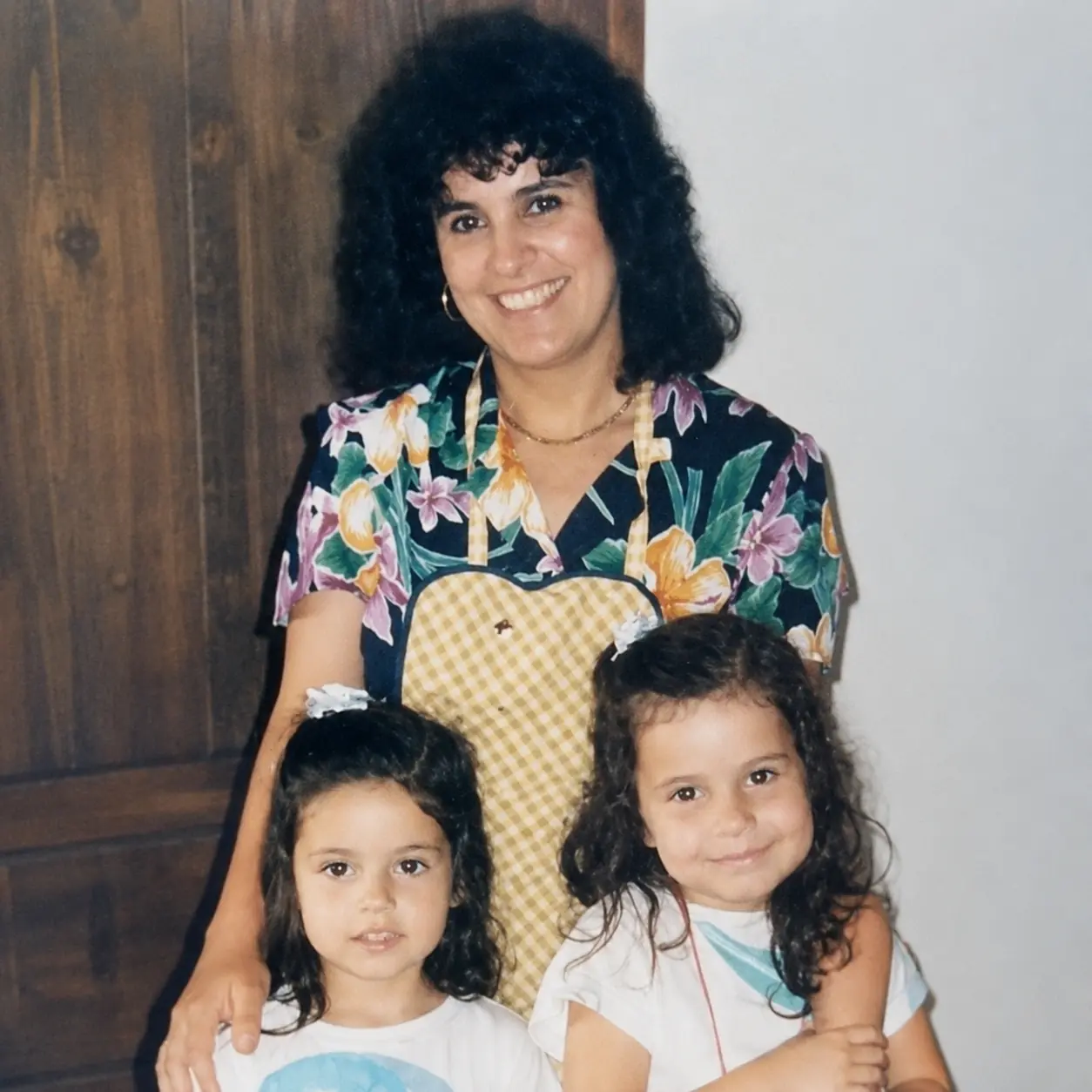
The couple had three children: Francis, María Melanie and María Dolores. Mari Loli devoted much of her adult life to her family, keeping her distance from the public scrutiny she had experienced as a child.
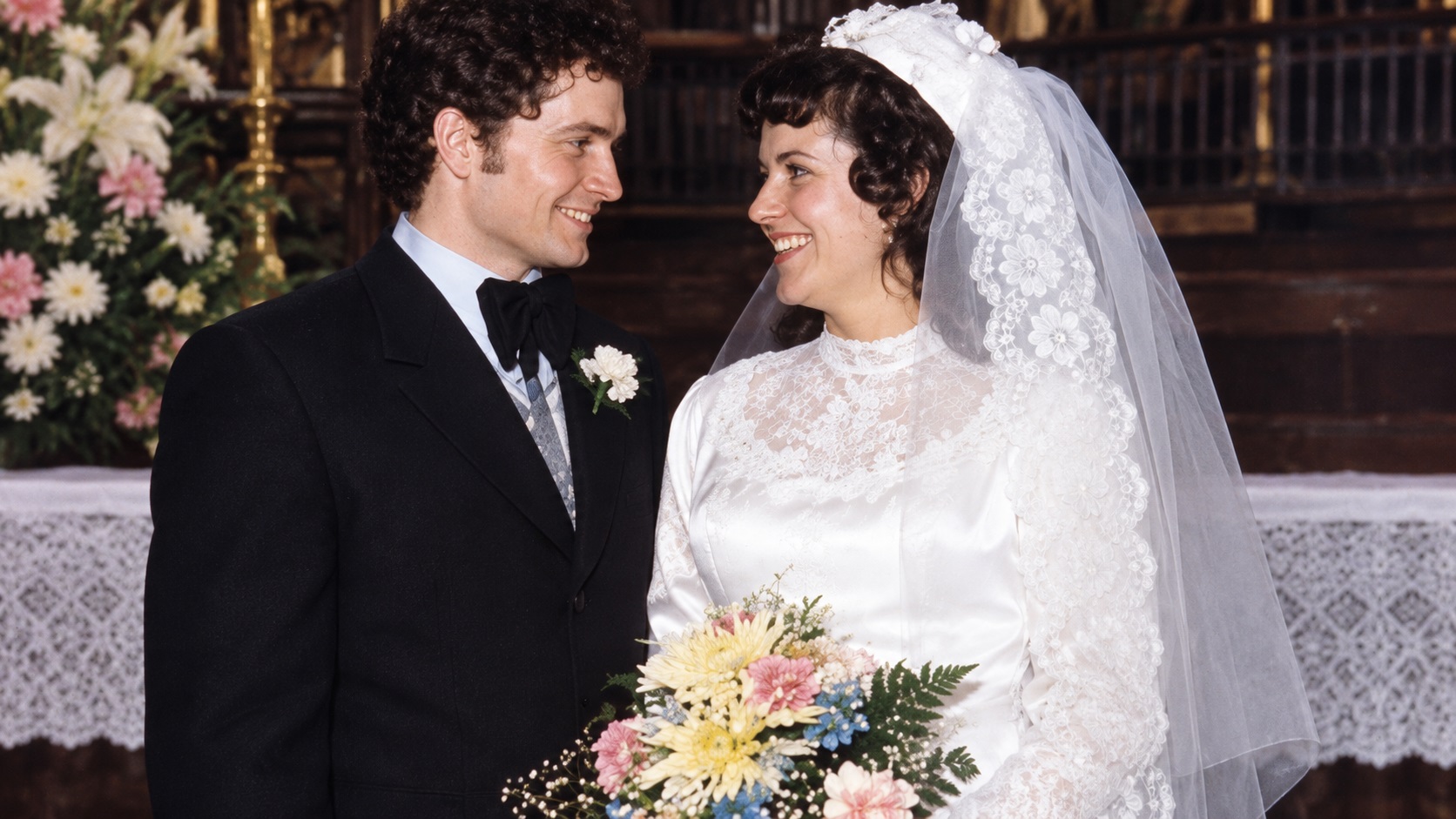
Although she lived far from Cantabria, she kept in touch with people connected to Garabandal and occasionally returned to Spain. When asked about the apparitions, she continued to affirm the authenticity of what she had experienced as a child.
Illness and Mari Loli's final years
Mari Loli's final years were marked by a prolonged illness. Despite her physical difficulties, she remained surrounded by her husband, children and those closest to her.
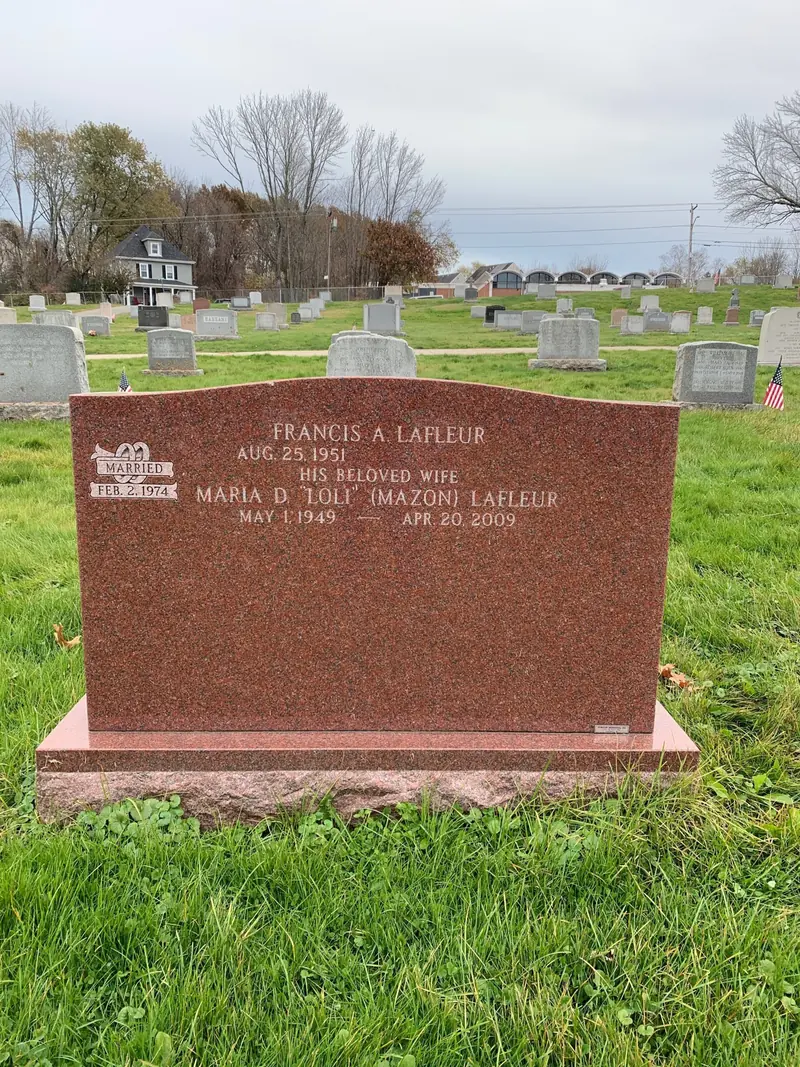
María Dolores Mazón González de LaFleur died in the United States on 20 April 2009, just days before her sixtieth birthday. Her death deeply affected those who had followed her life and the people of Garabandal.
Her funeral was held in the United States, and she was later also commemorated in Cantabria. Her name remained forever linked to the history of the village where she was born.
The legacy of a quiet visionary
Mari Loli was the first of the four Garabandal girls to die. Her death meant that she could never again explain in person what she claimed to know about the Warning.
This gave rise to rumours and theories about secret documents or messages entrusted to others. However, there is no publicly verified evidence that Mari Loli revealed the year of the Warning before she died.
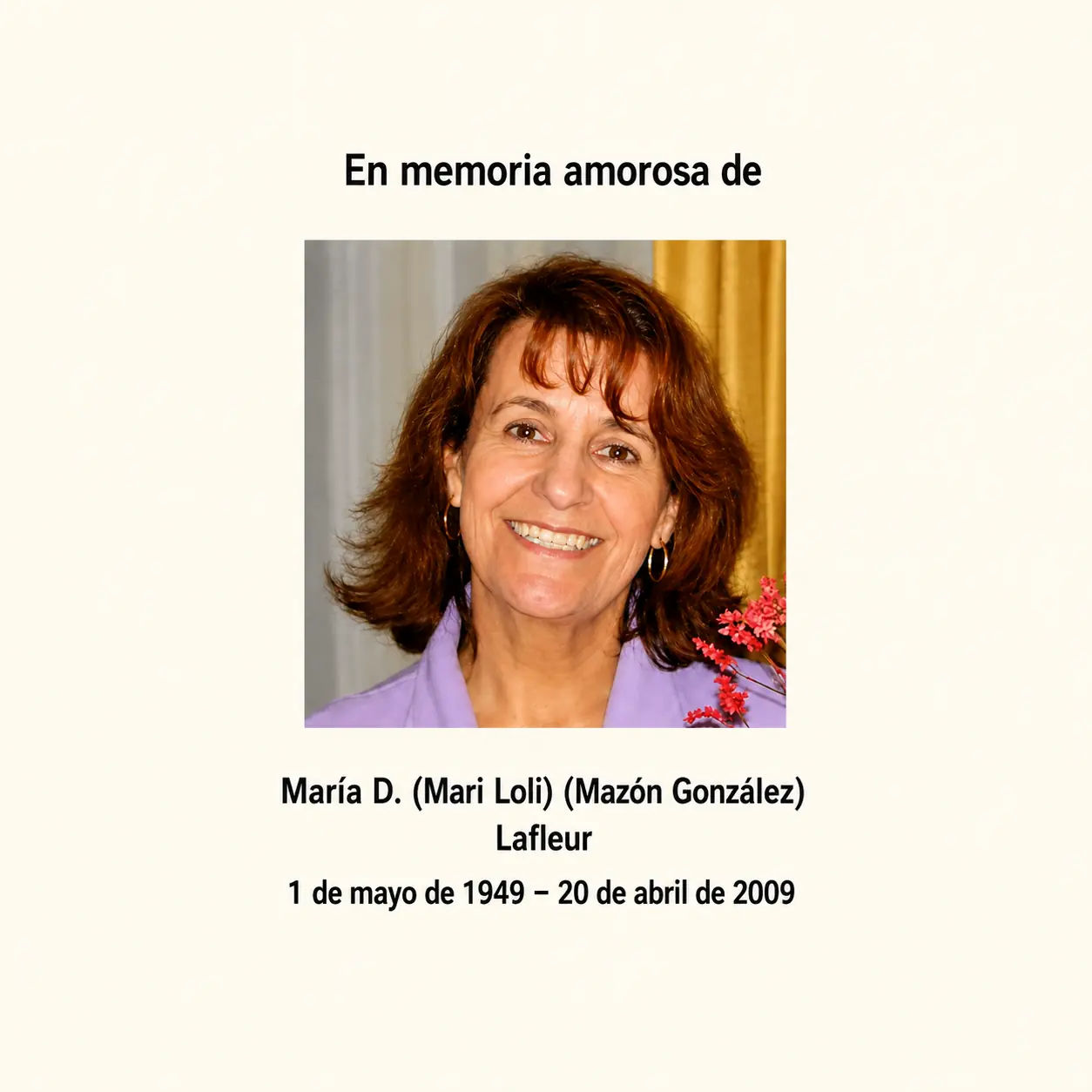
Beyond the prophecies, those who knew Mari Loli remember above all her simplicity, sensitivity and the reserved way she approached a story that had begun when she was barely twelve.
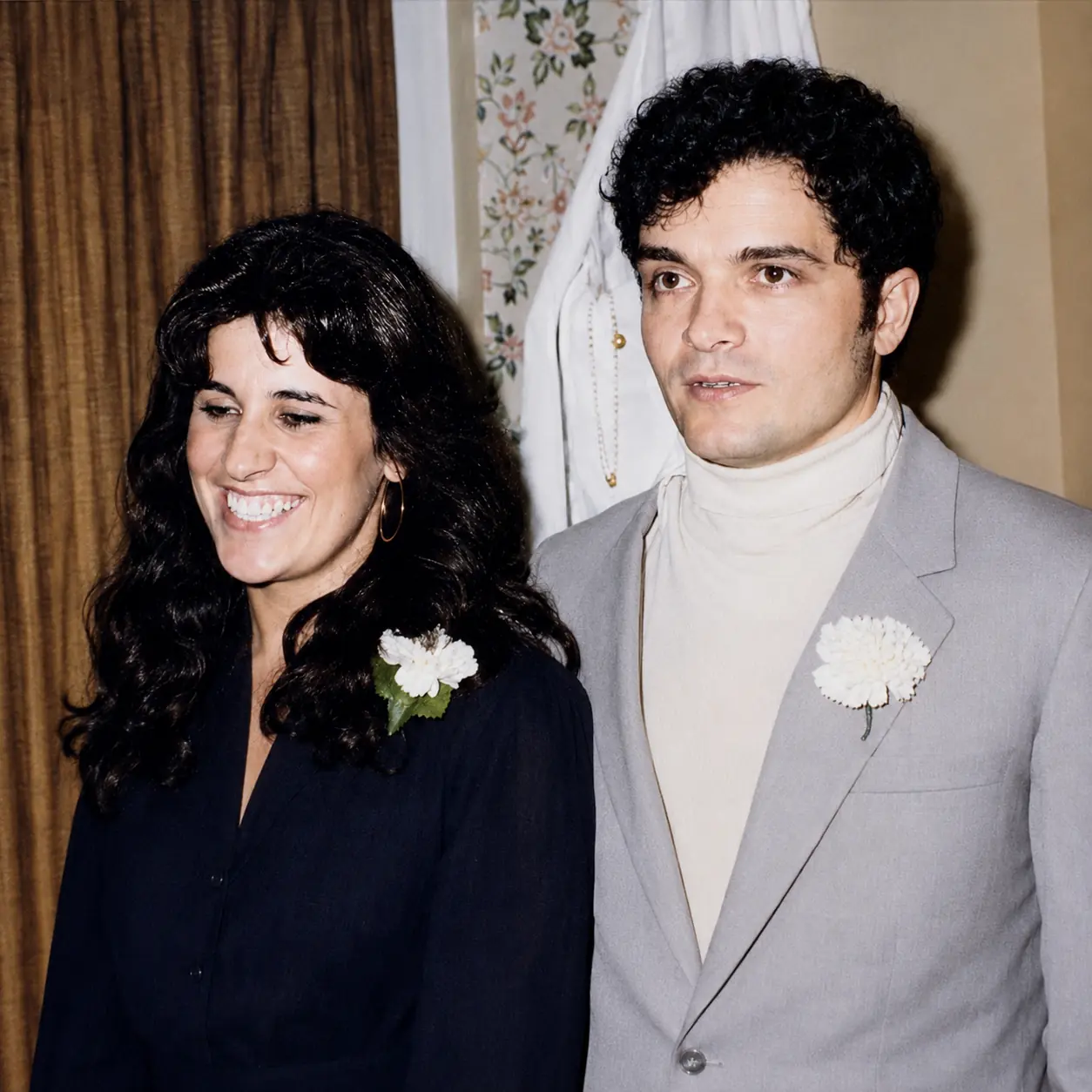
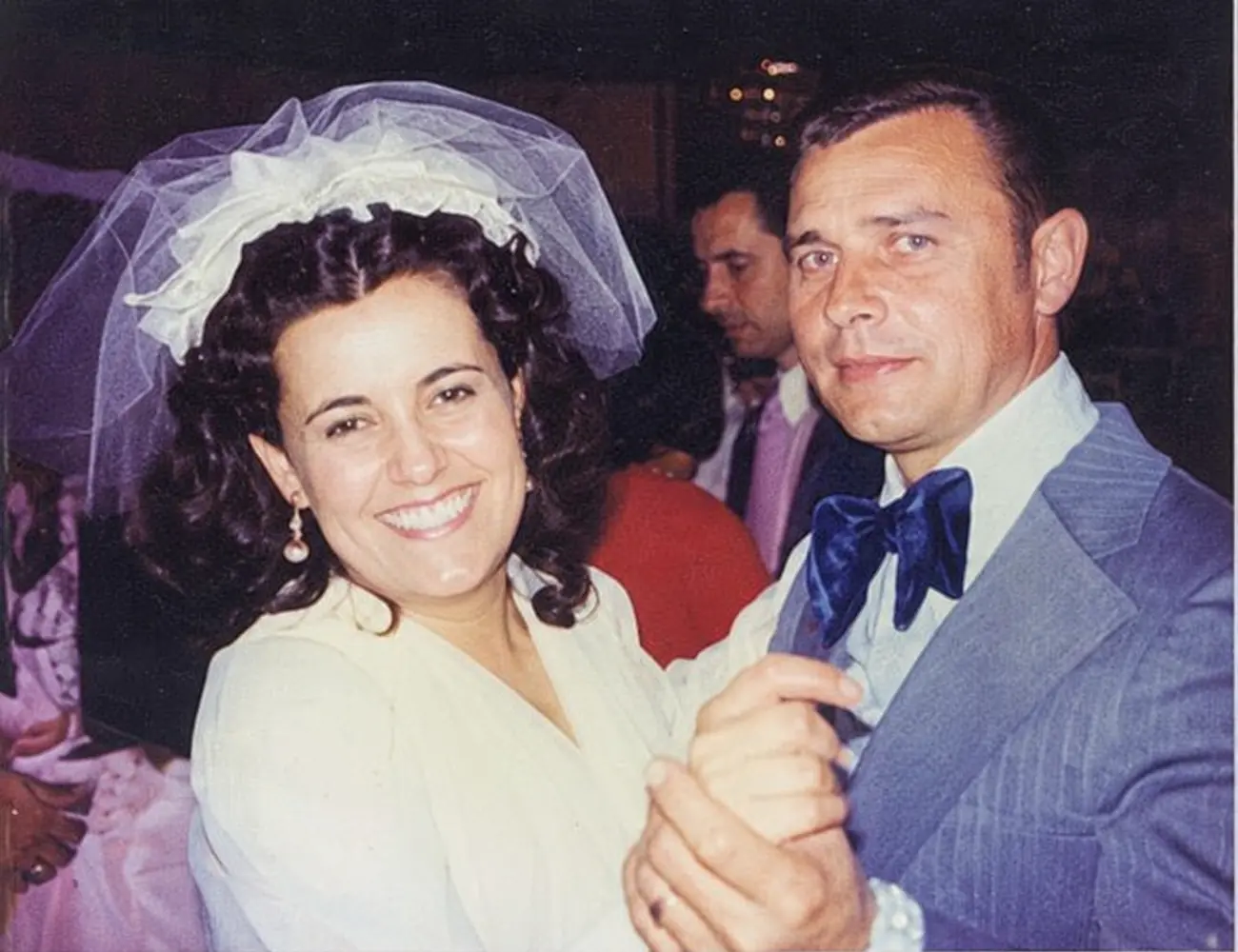
Mari Loli Mazón gallery
Frequently asked questions about Mari Loli
What was Mari Loli's real name?
Her full name was María Dolores Mazón González, although from childhood her family, neighbours and friends knew her as Loli or Mari Loli. This is also the name by which she usually appears in books, documentaries, interviews and testimonies about the events of Garabandal. After marrying Francis LaFleur, she was also known as María Dolores Mazón LaFleur. Although she spent much of her adult life in the United States, she never lost her connection with her home village or the events she had experienced as a child. For those who studied Garabandal, she always remained Mari Loli: a simple, reserved girl who, at barely twelve, became forever linked to one of the twentieth century's best-known and most debated religious phenomena.
When and where was Mari Loli born?
Mari Loli was born on 1 May 1949 in San Sebastián de Garabandal, a small mountain village in the municipality of Rionansa, Cantabria. At the time, Garabandal was an isolated livestock-farming village of stone houses, stables and unpaved paths. Most families lived by farming and tending animals. Children attended the village school and, after lessons, helped their parents with household and farm work. Mari Loli grew up in this rural setting, surrounded by mountains, in a small community where everyone knew one another. Her childhood revolved around school, church, family chores and playing with other village girls. When the events began on 18 June 1961, Mari Loli had just turned twelve. Until then, she had led an entirely ordinary life and was unknown outside Garabandal.
How old was she when the events began?
Mari Loli was twelve when the events of Garabandal began. She had reached that age just a few weeks earlier, on 1 May 1961. On the afternoon of 18 June 1961, she was with Conchita González, Jacinta González and Mari Cruz González on a village path. According to the four girls' account, while playing near la Calleja they saw a figure whom they later identified as Saint Michael the Archangel. Over the following days, the girls said that the figure appeared again. Later, they reported seeing the Virgin Mary under the title of Our Lady of Mount Carmel. In a very short time, Mari Loli went from being an unknown child in a small Cantabrian village to one of the central figures in a phenomenon that attracted visitors from many countries.
What was the night of screams?
The term Night of Screams is used chiefly to refer to the events that took place on the nights of 19 and 20 June 1962. According to the testimonies collected, Mari Loli and the other girls entered a state of deep fear while saying they were seeing a vision concerning the consequences for humanity of turning away from God. During the experience, the girls wept, screamed and uttered words that left an enormous impression on the villagers and visitors present. Many people said they had heard their screams from different parts of the village. The testimonies describe a scene of great anguish. The girls reportedly begged for mercy, pleaded for those in spiritual danger and showed a fear very different from the serenity that witnesses said they usually displayed during other ecstasies. Mari Loli later explained that what they had seen was so painful that they found it very difficult to describe. According to her account, it concerned not only physical punishment but the spiritual consequences of living entirely apart from God. For some of those present, that night brought a profound change. Several testimonies indicate that people began to pray, went to confession or reconsidered their lives after witnessing the girls' reaction. The Night of Screams remains one of the most striking and mysterious episodes in Garabandal's history.
Villagers and visitors in Garabandal heard their screams and expressions of fear. Many testimonies describe those nights as one of the most striking episodes in the entire history of the alleged apparitions.
What did Mari Loli know about the Warning?
Mari Loli became particularly associated with the so-called Garabandal Warning. According to her statements, it would be a universal experience affecting everyone in the world at the same time. During the Warning, every human being would see inwardly the state of their conscience. Each person would understand the good and evil they had done, their mistakes and sins, and the ways their actions had affected others. Mari Loli explained that the experience would not depend on a person's religion or beliefs. Everyone would undergo it, including those who did not believe in God. She also said it would not be a human-made phenomenon or a war, although it might coincide with a time of great tension for humanity. Its purpose would be to correct, warn and offer an opportunity to change. According to her testimony, the Warning would be painful chiefly because of the inward knowledge of one's own conduct. It would involve not simply fear, but a clear understanding of each person's spiritual condition.
She also explained that everyone would experience the Warning, regardless of their beliefs, and that it would not directly cause death, although its emotional impact could be very intense.
Did she write down the date of the Warning before she died?
There is no reliable confirmation that Mari Loli wrote down the date or year of the Warning before her death. After she died, stories began to circulate suggesting that she might have given a letter to a priest, a relative or someone she trusted. There was also talk of an alleged sealed envelope to be opened only under certain circumstances. However, none of these accounts has been publicly substantiated by a verifiable document. Nor has any confirmed statement from her husband, children or a Church authority been made public proving that such a written record exists. Mari Loli had said she knew the year, but remained silent throughout her life. Dates circulating online, in books or in videos should therefore be presented not as a revelation from her, but as later interpretations or rumours.
Any year or date currently attributed to Mari Loli should therefore be regarded as speculation, not as a revelation she confirmed.
Where did she live as an adult?
Mari Loli spent most of her adult life in the United States. She moved there during the 1970s and began a new chapter far from the intense scrutiny she had experienced in Garabandal. She wanted to lead a more normal life, start a family and retain some privacy. Despite the distance, she remained emotionally attached to Cantabria and her home village. She returned on several occasions and stayed in touch with people interested in the events. In the United States, she tried to live as an ordinary woman, away from the spotlight. Her past nevertheless remained with her, and many people continued to seek her testimony.
There she led a largely family-centred life away from public scrutiny. Although she gave a few interviews about Garabandal, she never sought to become a media figure. Mari Loli married Francis LaFleur in Massachusetts in 1974. The couple had three children: Francis, María Melanie and María Dolores. Her family became the centre of her adult life. Mari Loli tried to protect her children from the public attention associated with Garabandal. Although she occasionally answered questions about her childhood, she sought to keep those experiences separate from her daily life as a wife and mother. Those who knew her during this period emphasise her devotion to her family and say that she did not seek to use her story to gain fame. Her husband and children stayed by her side during her final years, particularly as her health declined.
When did Mari Loli die?
Mari Loli's final years were marked by a prolonged illness. Although those closest to her and some followers of Garabandal knew about her health, she maintained the privacy that had characterised her entire adult life. During this period, her husband, children, relatives and friends remained by her side. Those who spoke about her final years emphasised the serenity with which she faced her illness and her deep life of faith. Her physical decline gradually limited her public appearances and her ability to give further interviews. Mari Loli died in the United States on 20 April 2009 after a prolonged illness. She was 59 and would have turned sixty on 1 May that year. Her death deeply affected followers of Garabandal, as she was the first of the four girls associated with the events of 1961 to die. Her death also ended any possibility of her personally expanding on her statements about the Warning. This fuelled many rumours, but none provided firm evidence of a date or a secret message. Mari Loli was remembered both in the United States and in Cantabria. For many, her life was marked by privacy, family and fidelity to the testimony she had maintained since childhood. Mari Loli was the first of the four girls associated with the events of Garabandal to die. Her death in 2009 had a great impact because, according to her own statements, she knew the year of the Warning. Since she had not revealed it publicly, many people began to wonder whether that information had died with her. After her death, theories about secret documents or messages entrusted to others multiplied. However, there is no public evidence confirming these stories. Her death also brought renewed attention to her earlier interviews and testimonies, which are now the main source for her own words.
She was the first of the four girls associated with the events of Garabandal to die.
Has the Church approved the Garabandal apparitions?
The Catholic Church has not officially recognised the supernatural nature of the events of Garabandal. This means that the apparitions, messages, Warning and other prophecies must be presented as testimonies attributed to the girls, not as facts officially recognised by the Church. Over the years, various Church authorities have studied the events. Their approach has been cautious, and no definitive approval of a supernatural origin has been issued. Garabandal nevertheless continues to welcome pilgrims and visitors. Many come to the village to pray, see the places associated with the events and reflect more deeply on the messages of conversion, prayer and penance. The lack of official recognition has not diminished interest in the story, but it requires a clear distinction between verifiable biographical facts and religious claims concerning the alleged apparitions.
Continue exploring Garabandal
Discover the lives of Conchita González, Jacinta González and Mari Cruz González, along with the messages, testimonies, places and events associated with Garabandal.
Back to NOCTAVIA