A girl from the mountains of Cantabria
Conchita González González was born in San Sebastián de Garabandal, a small village in the Cantabrian municipality of Rionansa. She grew up in a remote rural setting shaped by close community ties, livestock farming and popular religious devotion.
The daughter of Aniceta González, she grew up in a village where everyone knew one another. Nothing suggested that this little girl would one day become known in countries around the world.
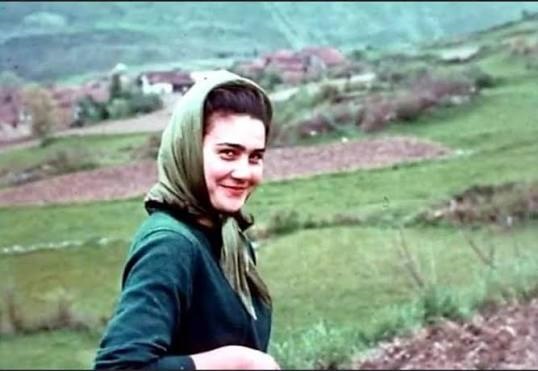
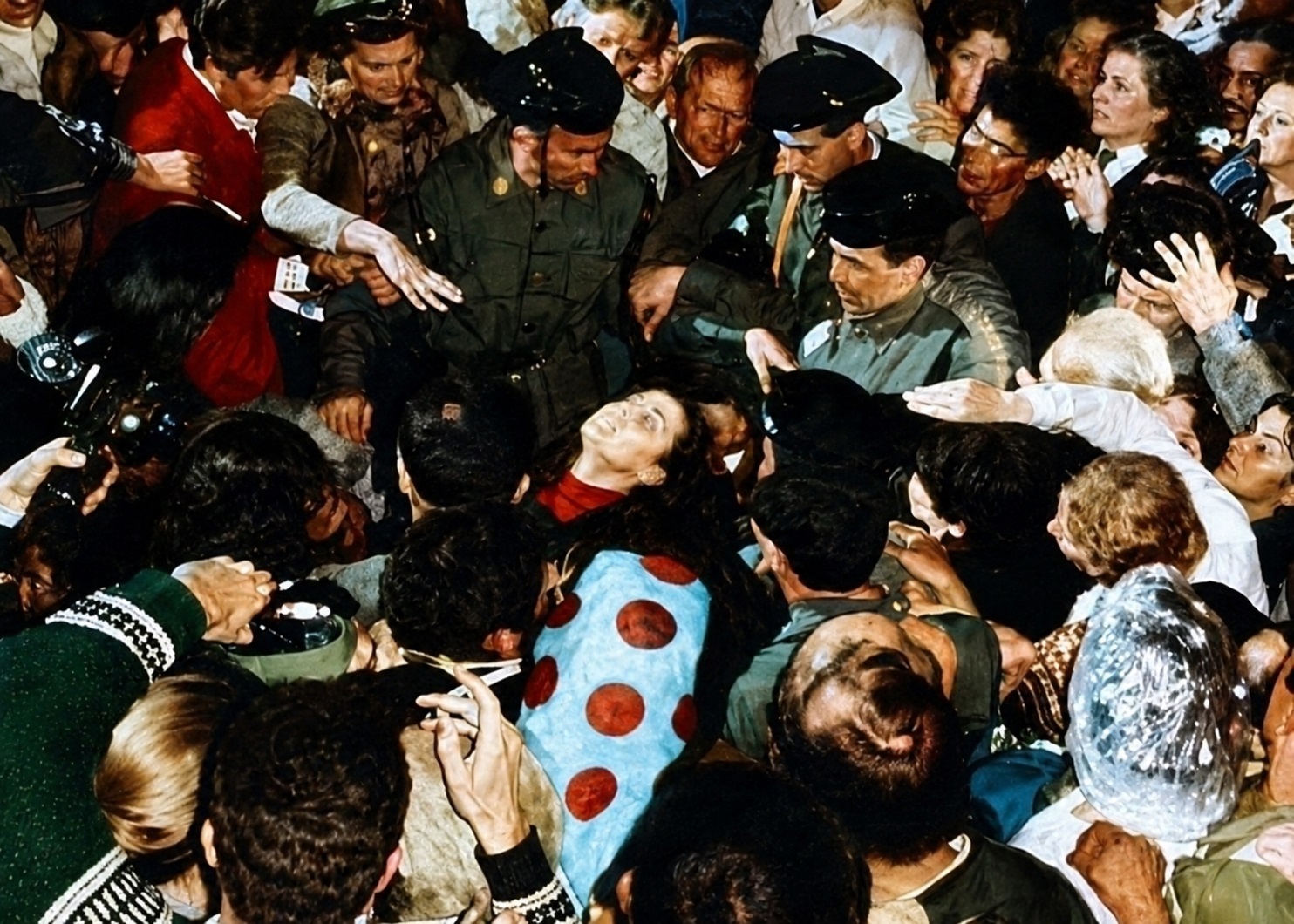
Two digitally restored or recreated images of Conchita in her early years.
The summer of 1961: how it all began
According to the accounts of Conchita, Jacinta González, Mari Loli Mazón and Mari Cruz González, the events began in June 1961. The four girls said they first saw an angel and later the Blessed Virgin under the title of Our Lady of Mount Carmel.
From then on, visitors, priests, doctors, journalists and curious onlookers began arriving in Garabandal. The girls entered states that witnesses described as ecstasies, gazing at a point that no one else could see.
On the night of 8 August 1961, Conchita recorded in her diary that the Blessed Virgin told them that the Jesuit priest Luis María Andreu was also seeing her, along with the Great Miracle. The priest died just hours later on the journey home.
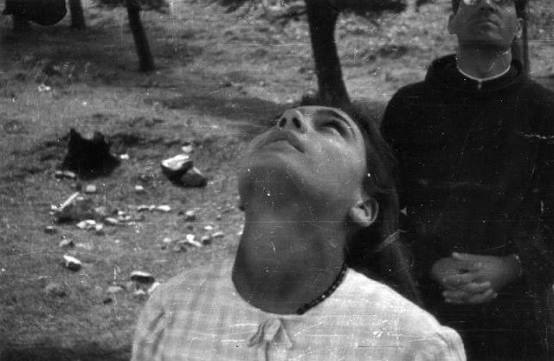
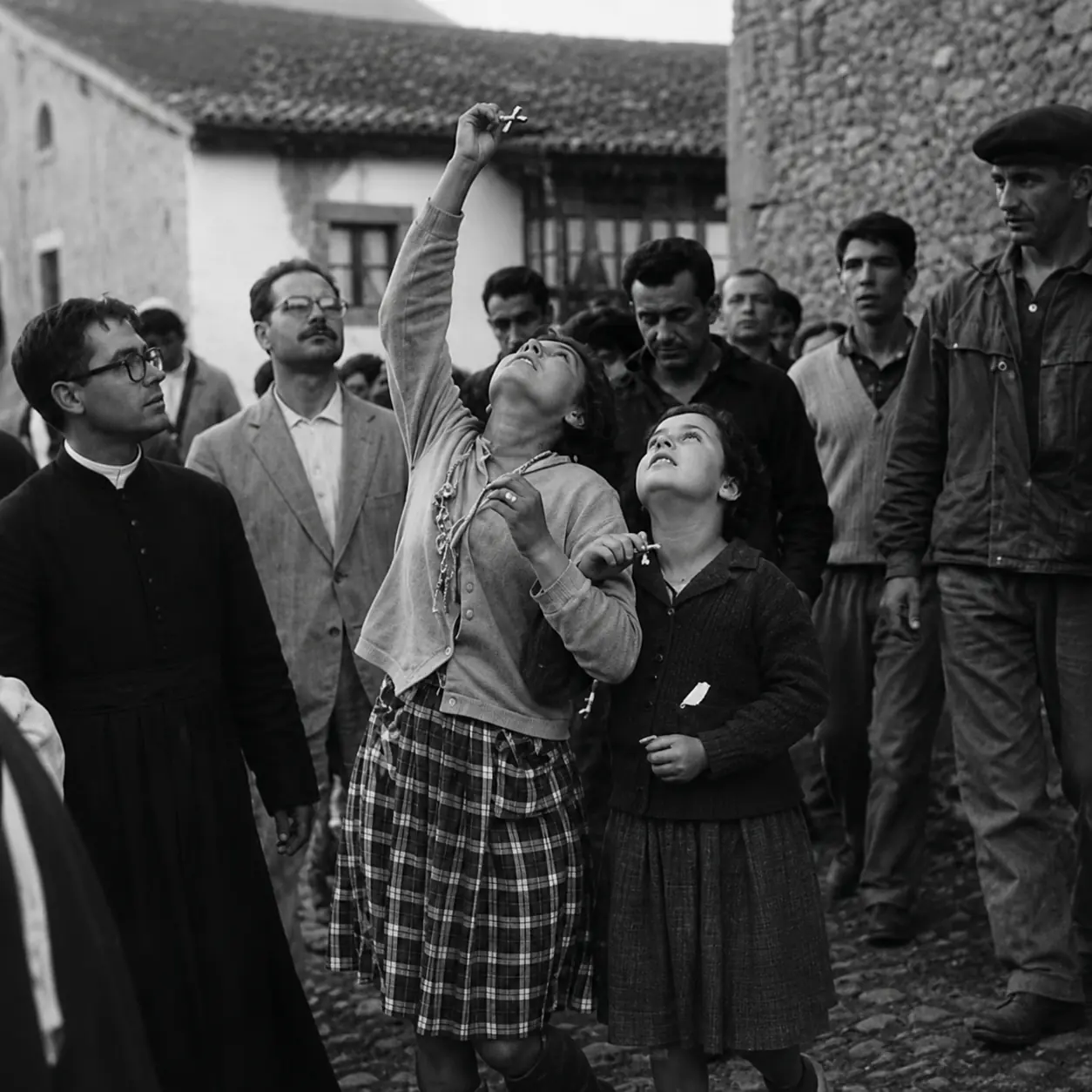
Why did Conchita become the central figure?
Although all four girls took part in the early events, Conchita gradually assumed a central role. She was credited with publicly conveying much of the messages and prophecies concerning the Warning and the so-called Great Miracle.
She also featured in some of the best-known episodes and eventually became the most recognisable face of Garabandal.
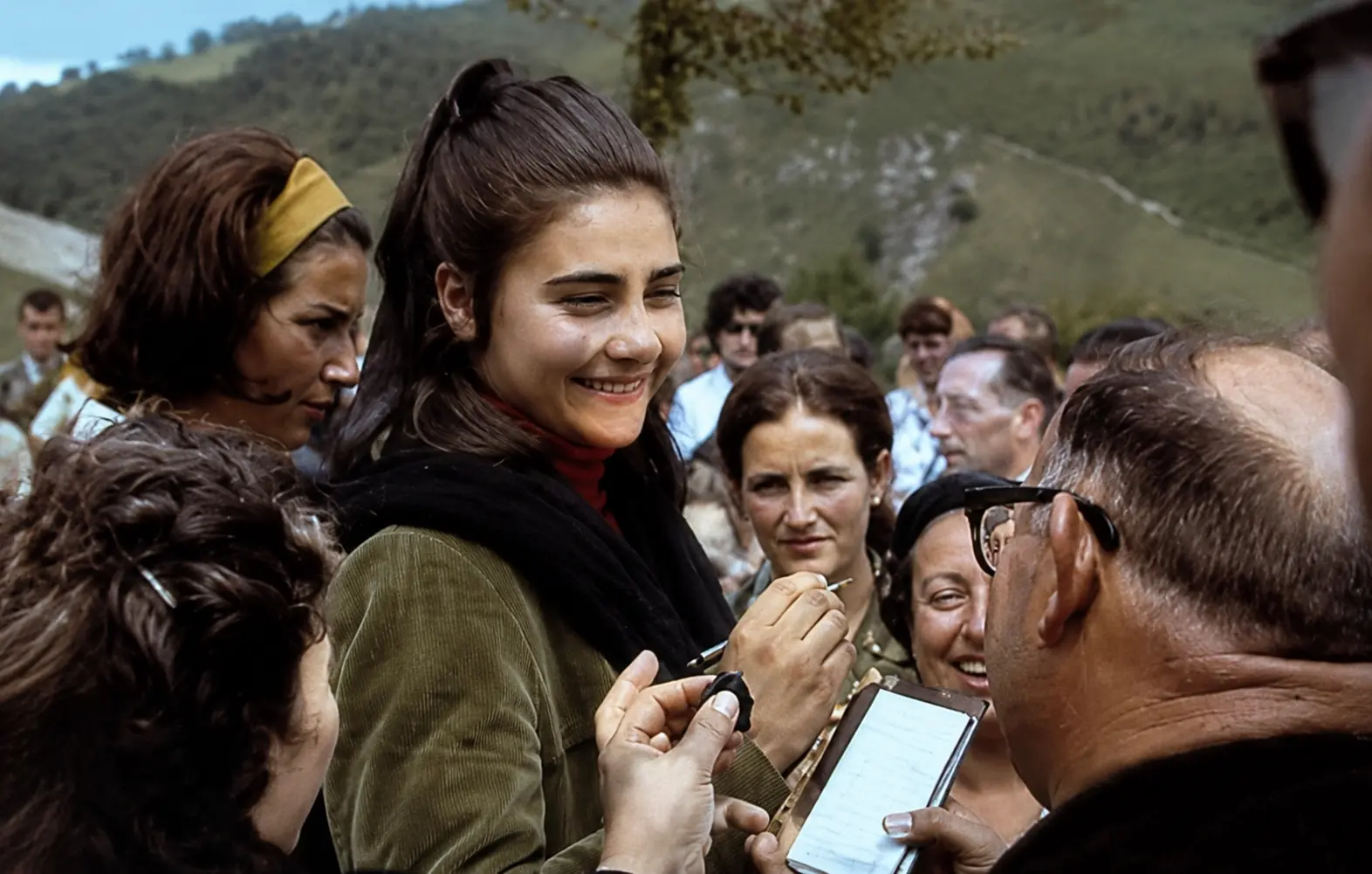
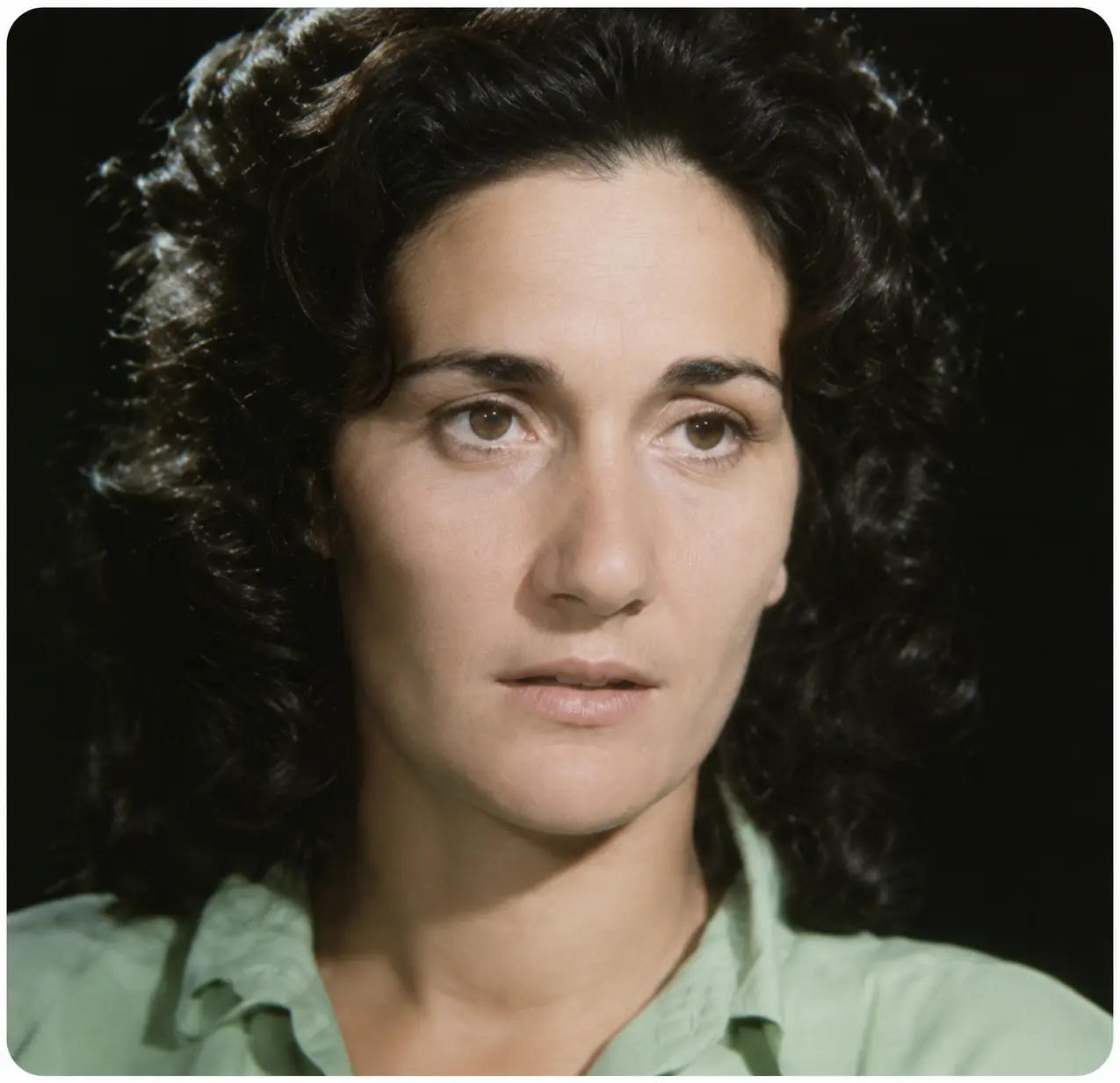
The messages and the major prophecies
The messages
The messages attributed to Garabandal emphasised conversion, prayer, penance, the Eucharist and personal responsibility.
The Warning
Conchita described the Warning as a universal experience in which each person would become aware of their spiritual condition and their actions.
The Great Miracle
She also said she knew the date of a great future event in Garabandal and would have to announce it publicly eight days beforehand.
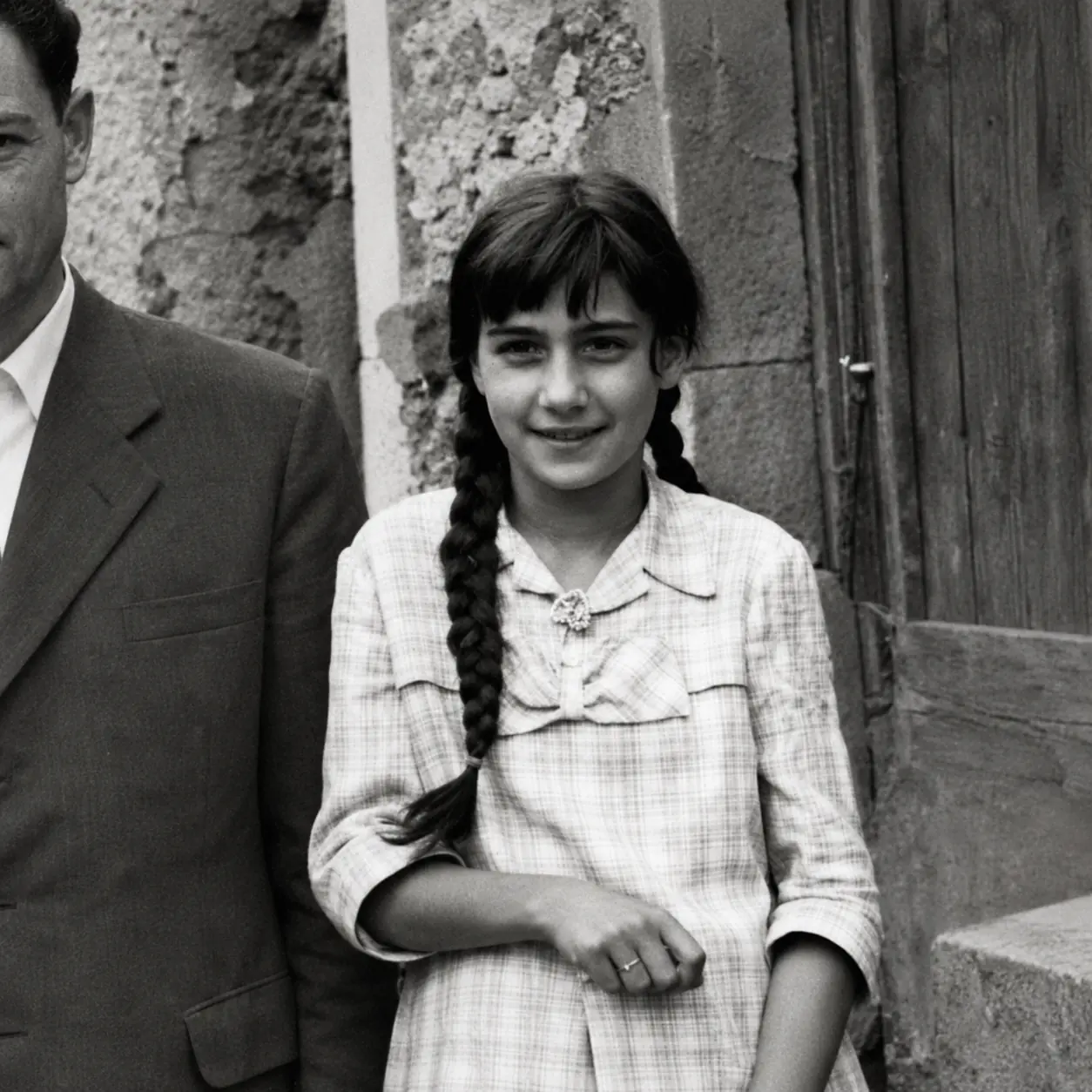
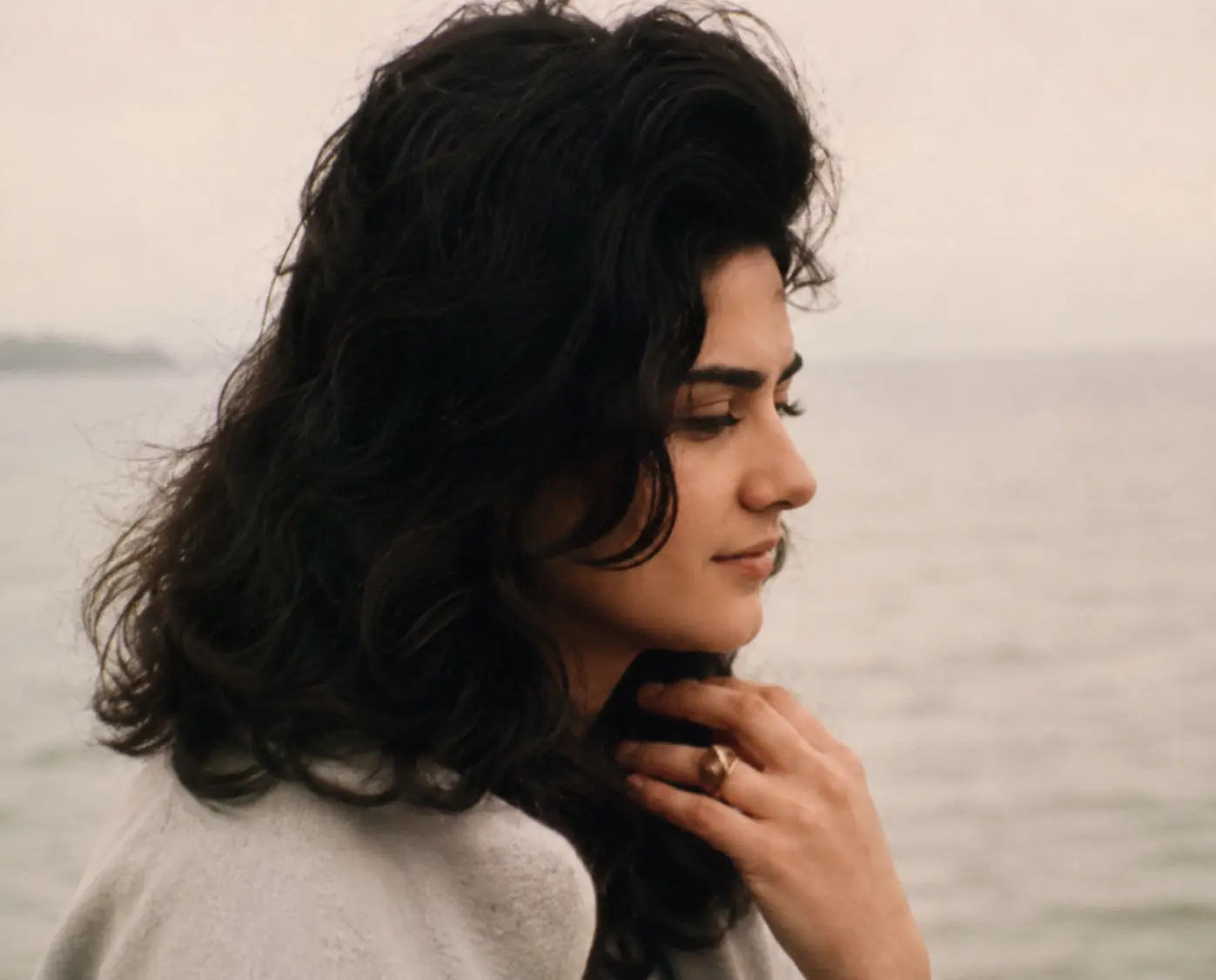
Interviews and public attention
As international interest grew, Conchita gave interviews and shared her account of the events. These public appearances helped establish her as Garabandal's main spokesperson.
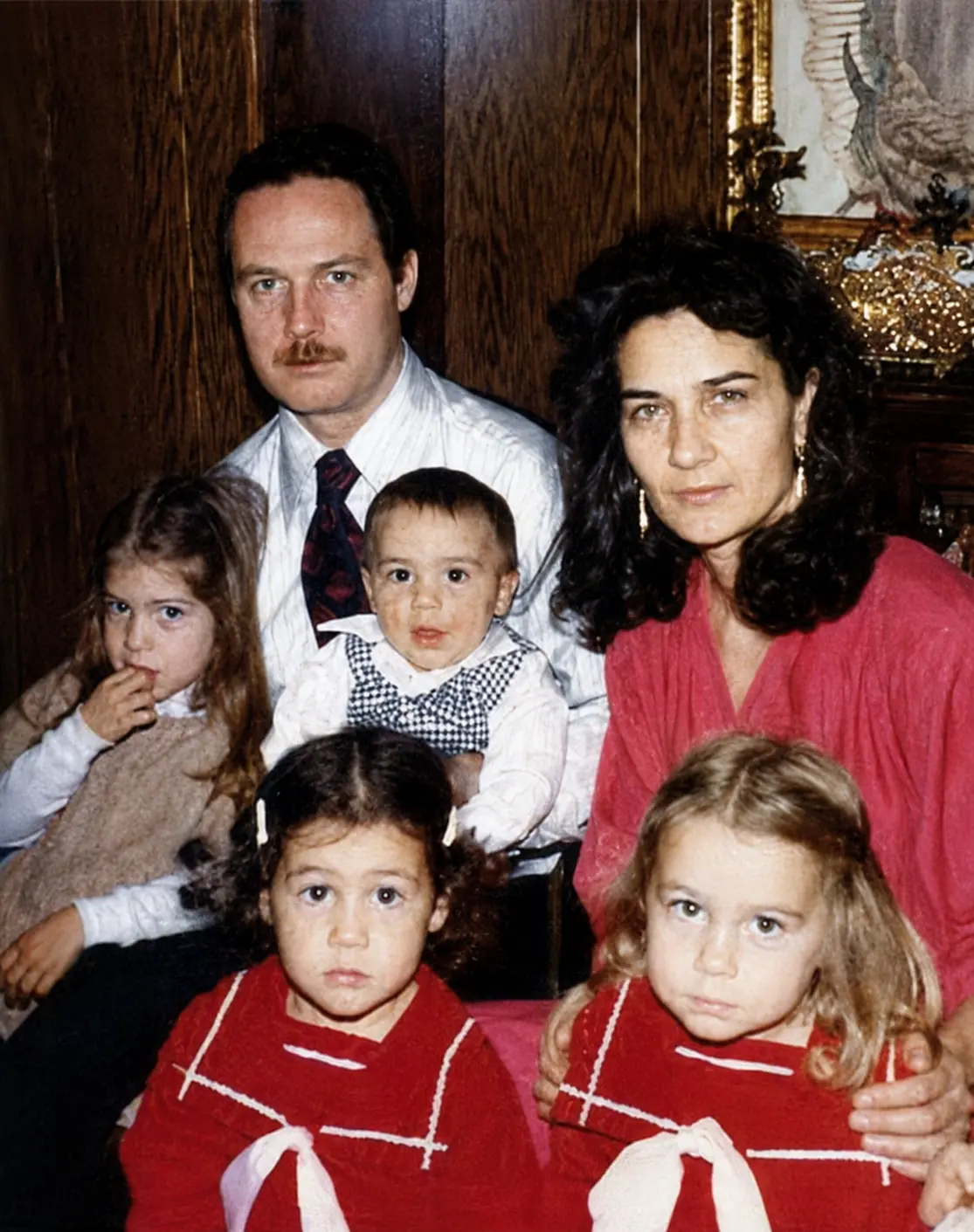
Over time, she greatly reduced her public appearances and sought to protect her own privacy and that of her family.
Adulthood, marriage and family
After leaving behind the constant public attention that had marked her teenage years, Conchita spent most of her adult life in the United States. She married and raised a family.
The privacy of this period contrasts with the role attributed to her in the Garabandal prophecies. According to her own testimony, she would be the one to announce the Great Miracle.
Conchita today
In recent decades, Conchita has kept a low public profile. Her name remains linked to a story that divides believers, sceptics and researchers.
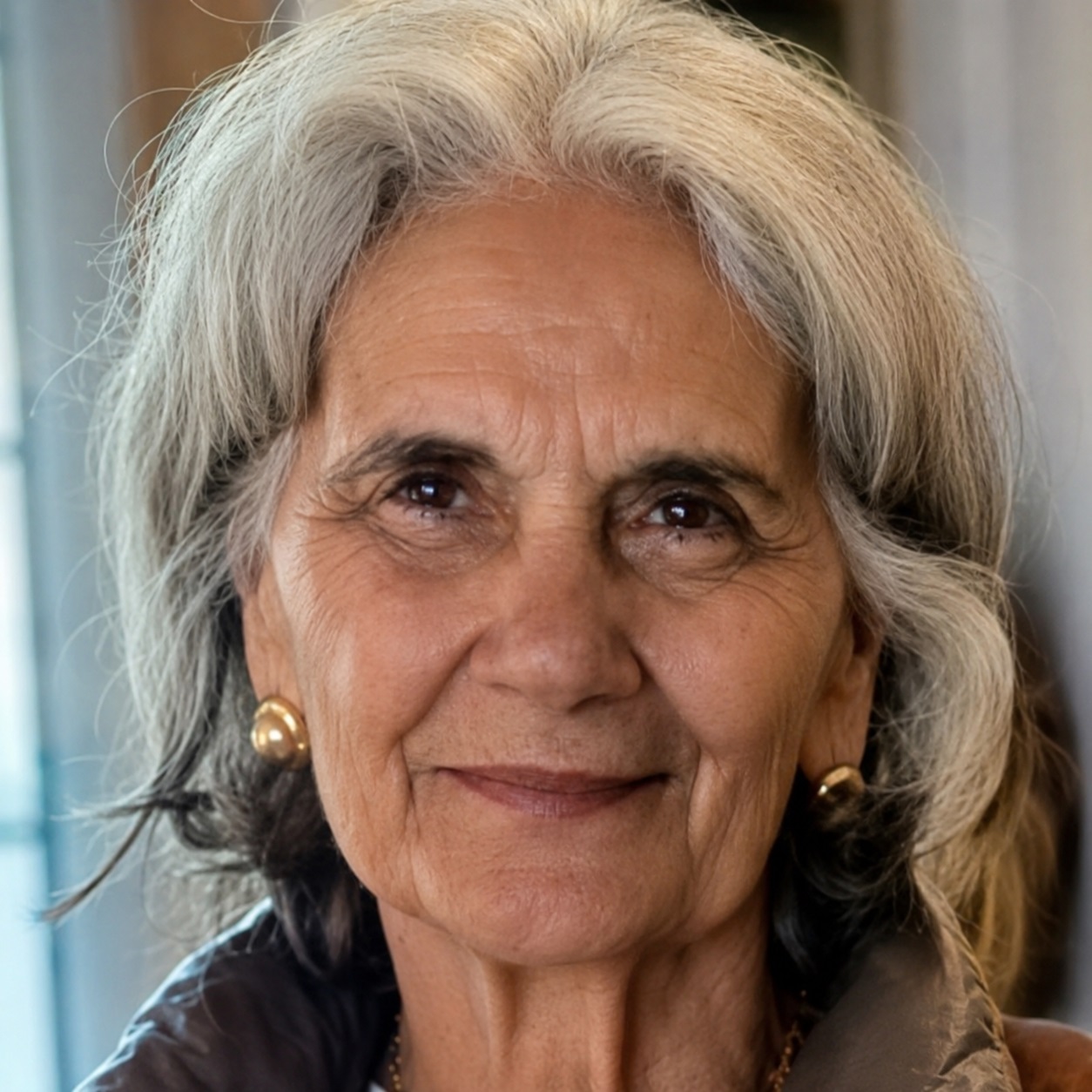
For many followers, she remains entrusted with an announcement that has yet to be made. For researchers, her life provides exceptional testimony to popular religion, collective memory and contemporary culture.
Gallery of restored images and recreations
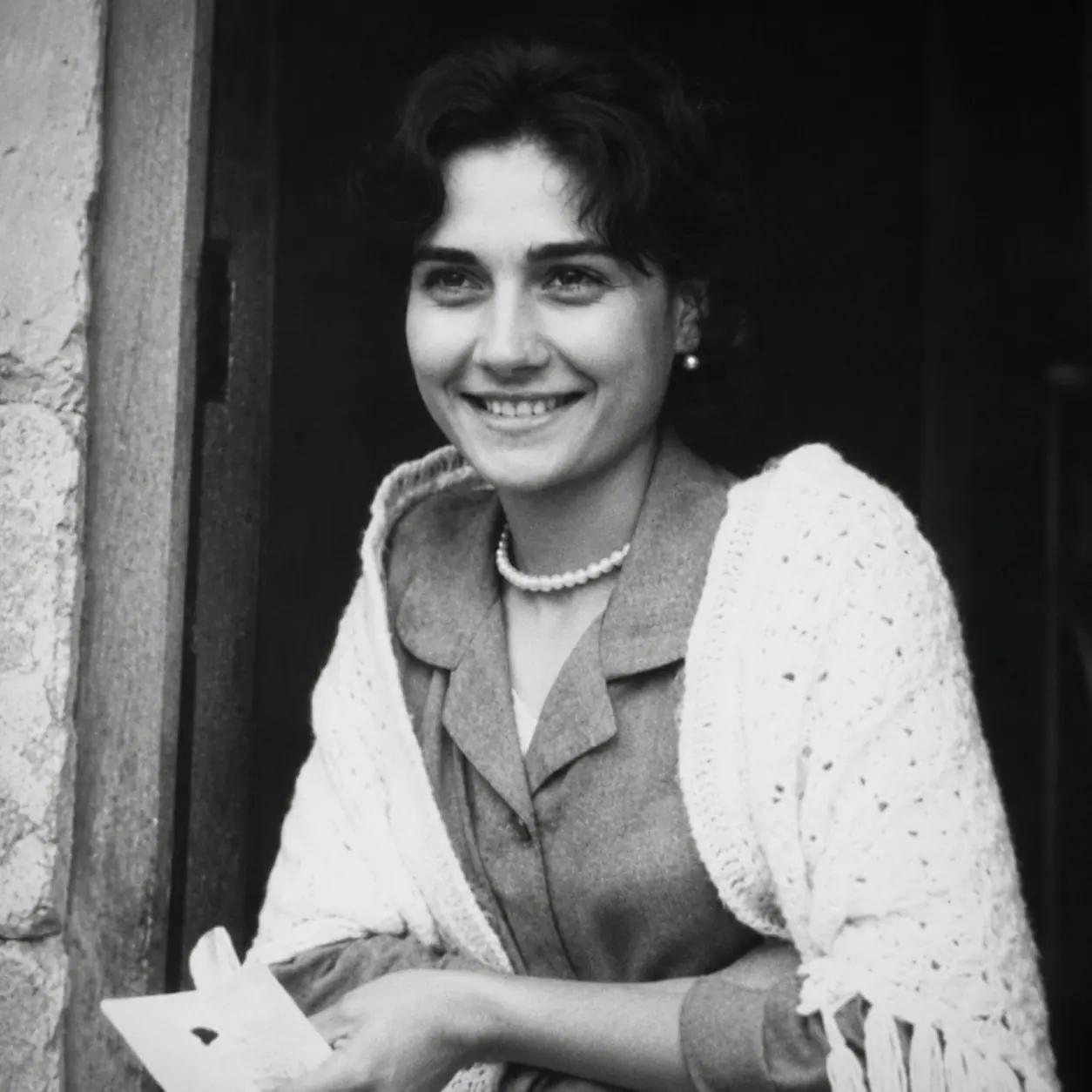
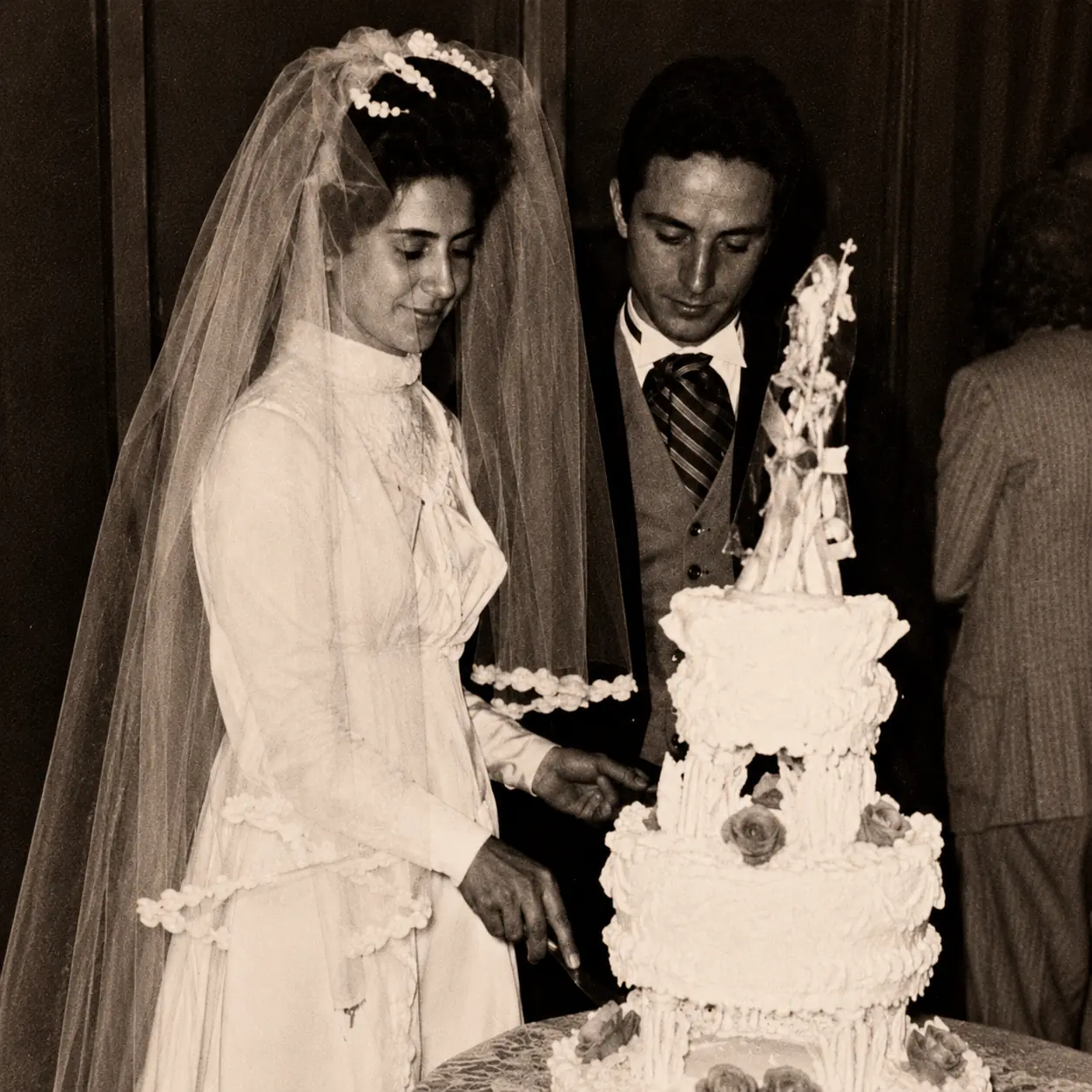
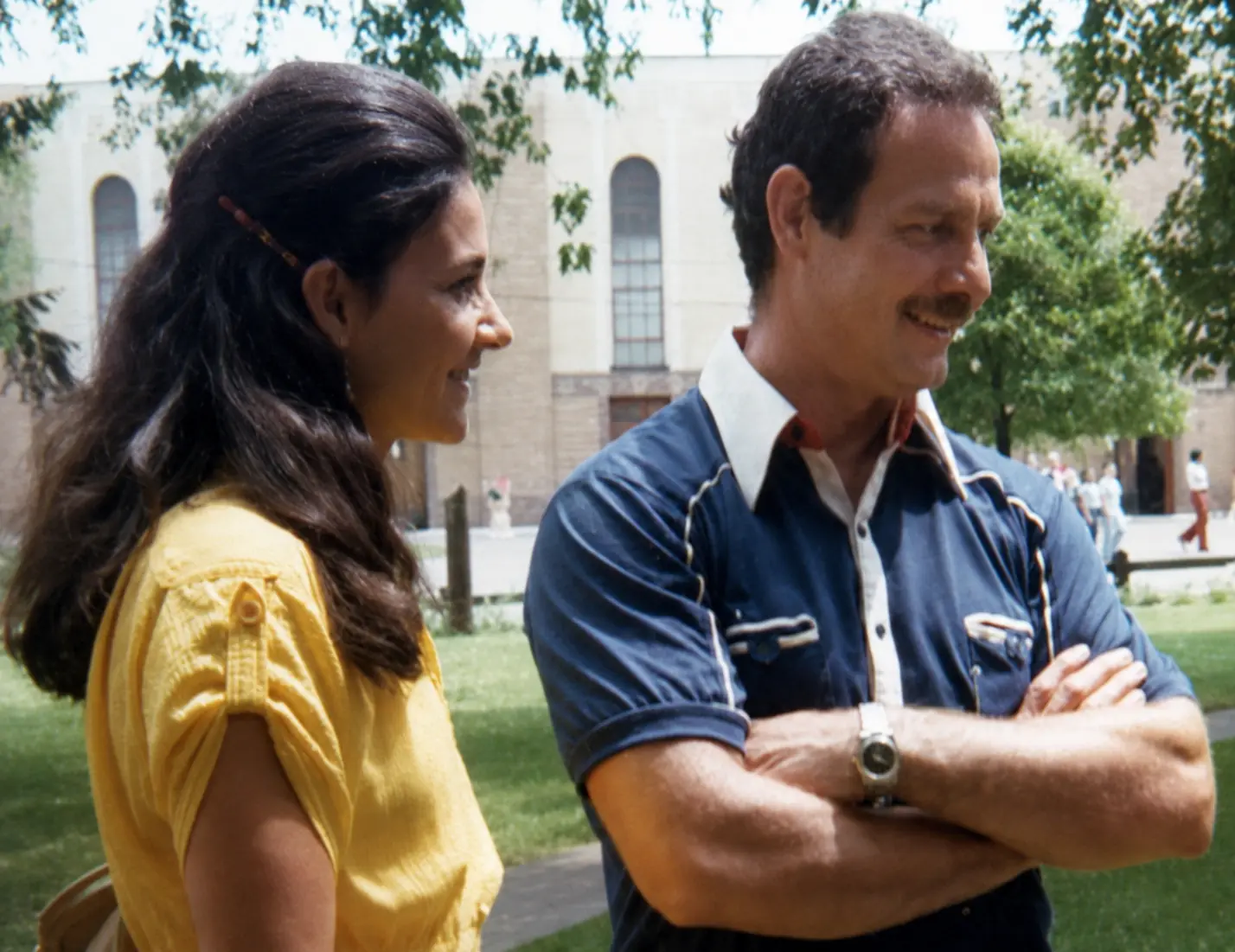
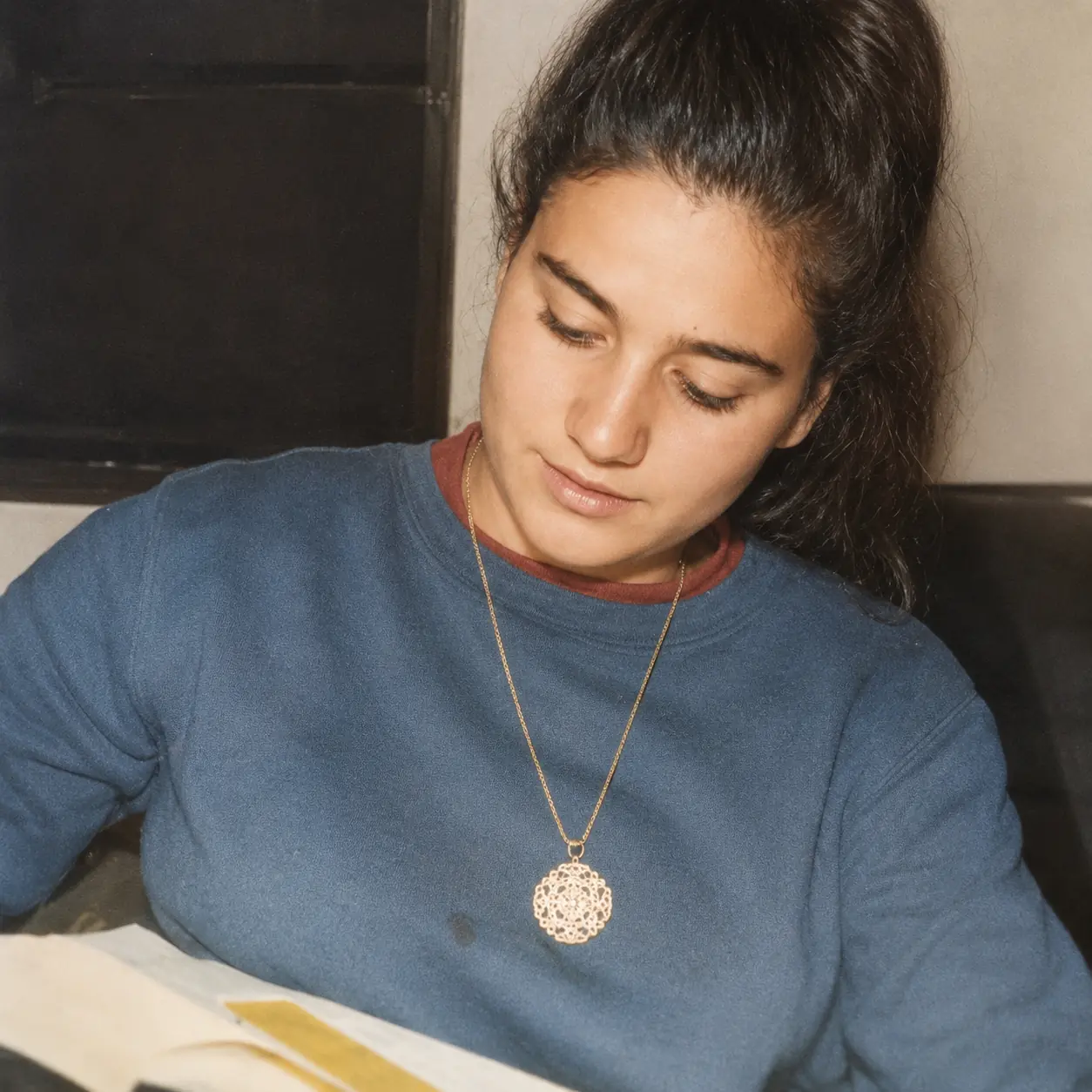
Frequently asked questions
How old was Conchita when the apparitions began?
Conchita González was born on 7 February 1949 in San Sebastián de Garabandal (Cantabria). When the events began on 18 June 1961 she was just 12 years old, living an entirely ordinary life much like that of the other children in the small village.
She lived with her mother, Aniceta González. Her father had died some years earlier, leaving the family facing considerable financial hardship. Conchita was the only girl and had three older brothers: Serafín, Aniceto (known as “Cetuco”) and Miguel. Everyone helped keep the household running and shared the family's work.
Like all the children of Garabandal, she attended the village schooleach morning, where her teacher was doña Serafina. Lessons were basic, as was typical of a small rural mountain school in the early 1960s. After school, she returned home to help her family with daily chores.
Her childhood revolved around the village paths, school and farm work. She would often help tend the livestock, gather firewood for the kitchen, carry grass to feed the cows or join other children in the everyday tasks of a livestock-farming village. Life in Garabandal was simple, and every family member was expected to help from an early age.
Religious life was central to her upbringing. She attended Mass whenever the priest celebrated it in the village and went to catechism classes taught by Father Valentín Marichalar and, as was the custom in her home, the family prayed the Holy Rosary together every night before bed. Her brother Miguel would later recall that their mother was deeply religious and very strict about her children's upbringing.
Those who knew her before the apparitions describe her as a girl who was cheerful, observant, intelligent, quick-witted and unassuming. She played in the village streets with her friends Jacinta, Mari Loli and Mari Cruz, and nothing suggested that, just days later, the four girls would become central figures in one of the best-known religious phenomena of the twentieth century.
It is precisely this ordinariness that has particularly struck Garabandal's researchers and historians: before the summer of 1961, Conchita was neither a public figure nor remarkable for anything extraordinary. She was simply a twelve-year-old girl living in a tiny village of barely three hundred people in the mountains of Cantabria.
Does she know the date of the Great Miracle?
According to the testimony attributed to Conchita González, she knows the exact date of the so-called Great Miracle of Garabandal but cannot make it public until eight days before it happens. Conchita has explained that making the announcement will be an enormous responsibility and that she will need special help to communicate it to the world.
She also said that the Miracle would take place in San Sebastián de Garabandal, specifically in the area of Los Pinos. According to her statements, it would be visible to people in the village and on the nearby mountains from which Los Pinos can be seen.
Details traditionally attributed to her interviews include the claim that it will happen on a Thursday at 8:30 p.m., coinciding with a feast associated with a martyr of the Eucharist and an important event for the Church. Conchita has never publicly revealed which saint is meant or the exact year.
According to this account, sick people present could be healed, and unbelievers would be convinced that the event comes from God. It would not merely be an inner experience, but an event visible from Garabandal.
Conchita also said that, after the Miracle, a permanent sign of supernatural origin would remain at Los Pinos. It could be seen, photographed and broadcast, but could not be physically touched.
The Miracle would be preceded by the so-called Warning, a universal experience of conscience that, according to the Garabandal testimonies, would allow each person to recognise inwardly the good and evil they had done throughout their life.
Over the years, many possible dates have been proposed in books, videos and on social media. None, however, has been confirmed by Conchita. Until she makes the announcement eight days beforehand, any specific date must be regarded as speculation alone.
It is worth remembering that these details form part of the claims surrounding the alleged Garabandal apparitions and that the Church has not officially confirmed the supernatural nature of the events.
Where has she spent her adult life?
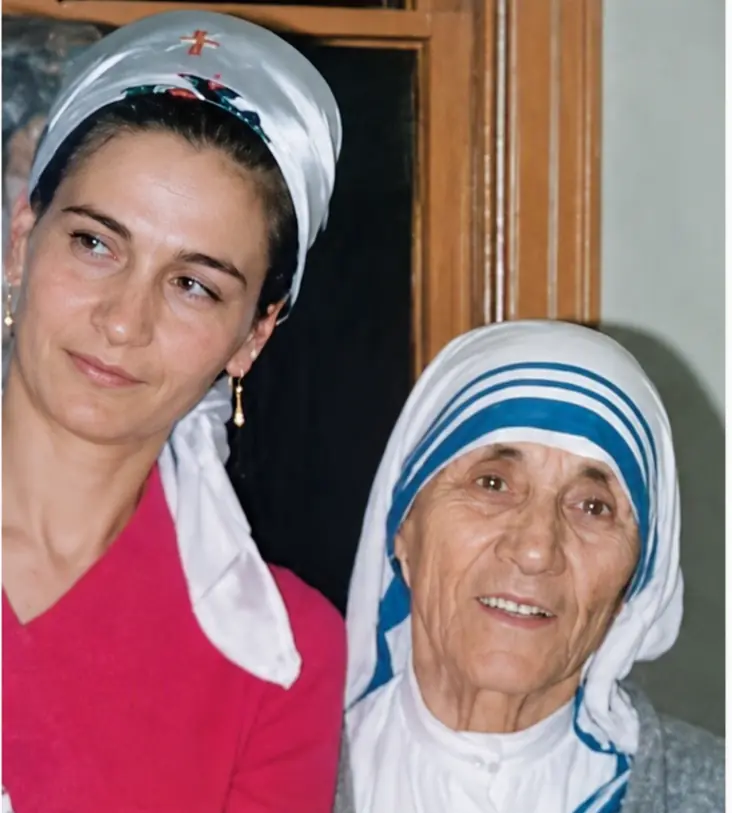
After the years of the apparitions and the intense media attention of her adolescence, Conchita González began a new chapter away from Garabandal. In 1966, she travelled to Rome at the Vatican's invitation and had the opportunity to meet Pope Saint Paul VI in person, one of the most important moments in her life after the alleged apparitions.
Years later, she moved to the United States, where she married Patrick Keena in 1973. She settled there and raised a family of four children, building a life centred on her family and far removed from the prominence she had experienced as a child.
Although she chose a private life, she never retracted her testimony about Garabandal. Over the decades, she gave occasional interviews, attended some gatherings with pilgrims and answered questions from researchers seeking a fuller understanding of the events of 1961.
Those who have known her personally stress that she has always tried to avoid sensationalism. She has repeatedly insisted that the central message of Garabandal is not the prophecies, but conversion, prayer, the Eucharist and fidelity to the Church.
Conchita is still regarded as the principal person entrusted with announcing the Great Miracle. According to her own testimony, she has known the exact date since the apparitions and, when the time comes, will have to communicate it to the world eight days in advance.
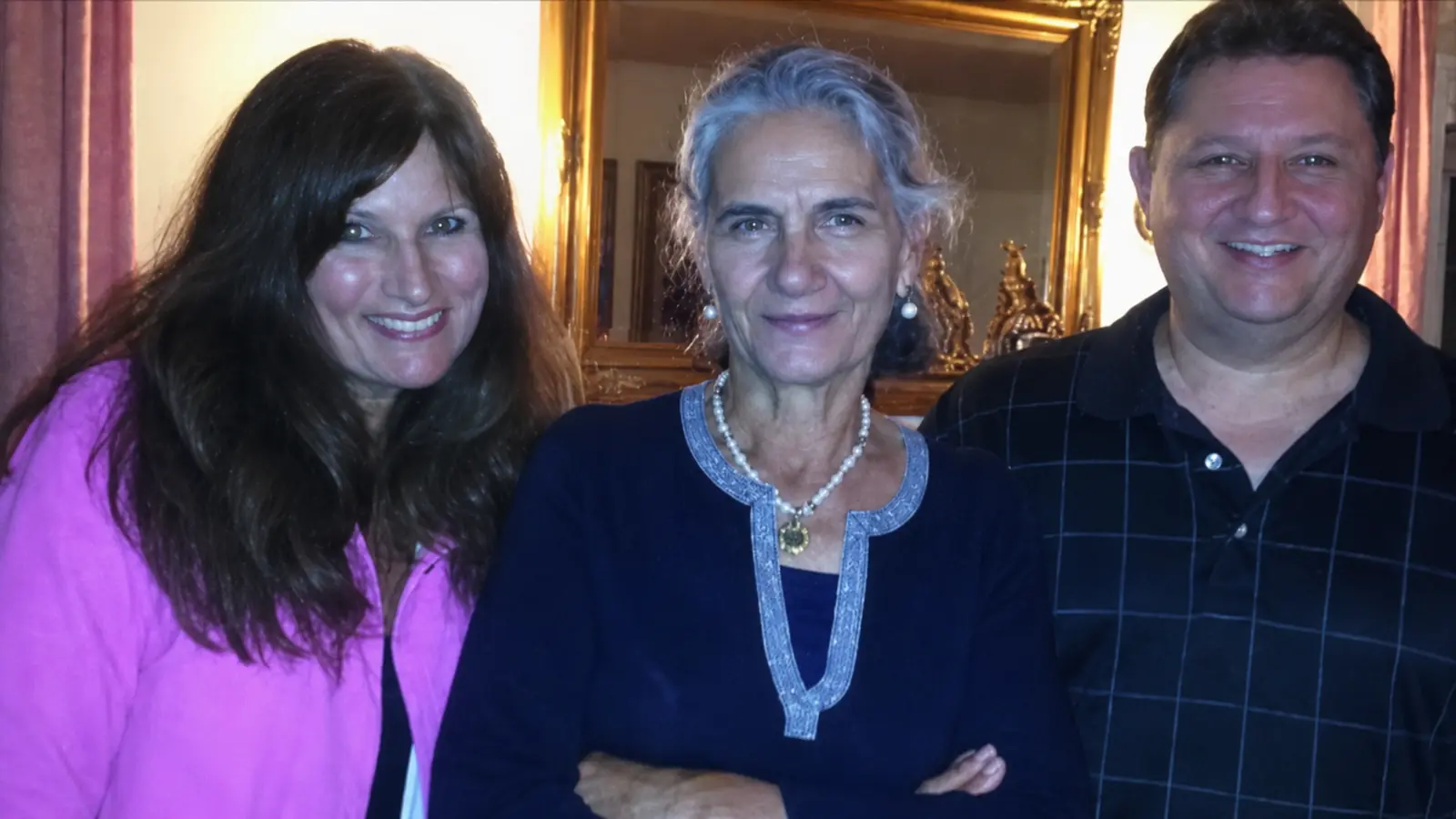
Today, she leads a private life in the United States. Her public appearances are very rare, and most of the photographs and interviews now in circulation date from earlier decades. This very privacy means that every new photograph or account from her attracts considerable interest among Garabandal scholars and pilgrims.
What major interviews has Conchita given, and what did she reveal in each?
Since the apparitions ended in 1965, Conchita González has given relatively few public interviews. She has always tried to live quietly, but at various times agreed to answer questions from journalists, priests and researchers to clarify matters concerning Garabandal. Many of these conversations are now regarded as historical documents by those studying the apparitions.
1965 – After the Second Message
After receiving the Second Message from Saint Michael on 18 June 1965, Conchita answered numerous questions from journalists for the first time. She explained that the message was an urgent call to conversion, to the Eucharist and to a more authentic Christian life. She also insisted that she was not trying to persuade anyone, but simply to pass on what she said she had received.
1966–1967 – Visit to Rome and audience with Saint Paul VI
During her trip to Rome, she was received by Pope Saint Paul VI and also visited Saint Pio of Pietrelcina. In later interviews, she recalled that the Pope encouraged her to remain faithful to her mission and continue sharing the message of Garabandal. That visit profoundly strengthened her spiritual life.
1973 – First major interview on the Warning and the Miracle
This is probably the best-known interview of her life. In it, she explained that she knows the exact date of the Great Miracle but can announce it only eight days beforehand. She also said that the Miracle would be visible to everyone present in Garabandal, that many sick people would be healed and that a permanent sign would remain at Los Pinos. She further affirmed that the event would come directly from God, without human intervention.
1974 – Interview during her first pregnancy
Shortly before the birth of her first daughter, she was asked whether she herself would be present on the day of the Miracle. She replied that she hoped to be there, but added a particularly significant remark: “I do not need to be present for the Miracle to happen.” She also reiterated that she could reveal no details about the date.
1975 – Interview for NEEDLES magazine
In this lengthy conversation, she spoke in detail for the first time about her relationship with Saint Pio of Pietrelcina. She recalled the letter she received as a child and how the Blessed Virgin confirmed that it came from the Italian friar. She also described her later visit to Padre Pio in San Giovanni Rotondo and the profound spiritual impact the encounter had on her.
1977 – Second major interview on the Miracle
In another interview published by NEEDLES, she again answered numerous questions about the Warning and the Miracle. She explained that the Blessed Virgin had given her a clear understanding of what the Miracle would be like, although she said she could not put it into words. She advised waiting to see it at the time appointed by God. She also confirmed that she would notify the world eight days beforehand and recalled the promise made to Joey Lomangino that he would regain his sight on the day of the Miracle.
The 1980s and 1990s
During these years, she gave only very occasional interviews. Most returned to the same questions: whether she still believed in the message, whether her testimony had changed or whether she could offer any new revelations. Conchita always replied that her testimony remained exactly as it had been in 1965 and that she was not permitted to add anything to what had already been revealed.
Recent interviews
In recent decades, her public appearances have been very rare. Those who have spoken with her agree that she continues to lead a simple, deeply Christian life. When asked about the Miracle or possible dates, she avoids speculation and reminds people not to become obsessed with future events, but instead to live the message received at Garabandal: prayer, the Eucharist, sacrifice and conversion.
Despite the enormous interest she continues to attract worldwide, Conchita has refused to become a media personality. Her discretion has given every new interview, photograph or account from her considerable documentary value for Garabandal researchers.
Continue exploring Garabandal
Discover the stories of Jacinta González, Mari Loli Mazón and Mari Cruz González, along with the messages, the places and the complete timeline.
Back to NOCTAVIA